
 EN
EN
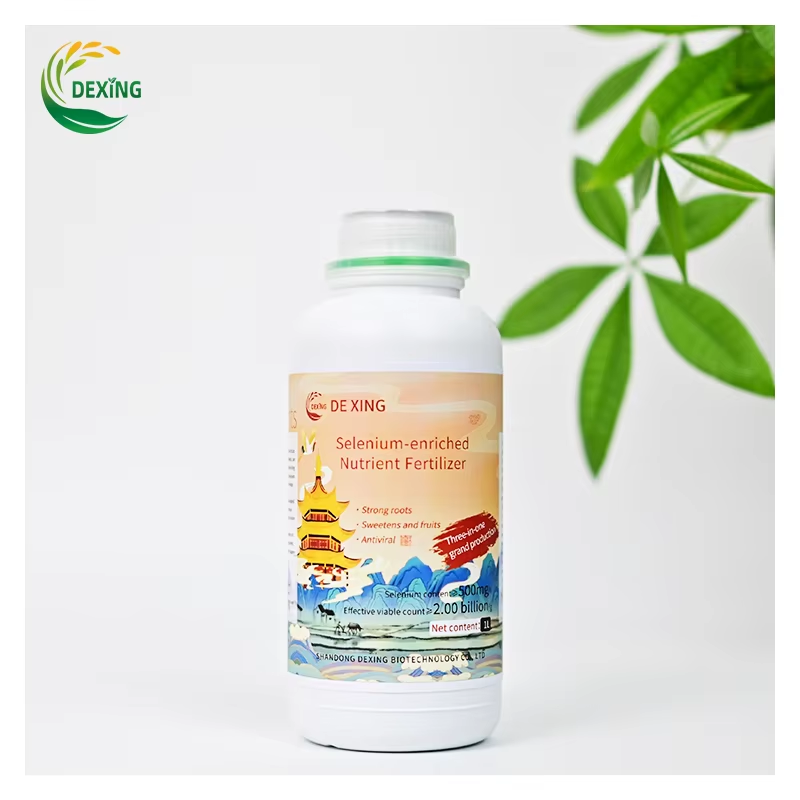
Understanding Fermented Fertilizer and Its Role in Sustainable Agriculture
What Is Fermented Fertilizer and How It Aligns With Korean Natural Farming (KNF)
Fermented fertilizer works through microbes breaking down stuff like leftover crops, fish scraps, and plant matter into nutrients plants can actually absorb. The method comes from something called Korean Natural Farming, which helps farms create their own resources instead of buying everything outside. When farmers turn their waste back into useful material, they don't have to depend so much on outside supplies. According to a recent farming study around 2025 timeframe, using fermented fertilizers instead of chemical ones boosts how much carbon stays locked in the soil somewhere between 18 and maybe even 34 percent. This makes a real difference for agriculture trying to adapt to climate change issues we're facing today.
Bioavailability of Nutrients Through Fermentation vs. Synthetic Fertilizers
When we talk about fermentation, what really happens is that good microbes create organic acids and enzymes which break down nutrients so plants can actually absorb them better. Take a look at this study from Sharma and colleagues back in 2023 they found that when microbes work on rock phosphate, they boost available phosphorus levels by around 72%. On the flip side, those chemical fertilizers might give crops a quick nutrient rush, but there's a problem with them washing away too fast. According to Ponemon's research from last year, about 40% of nitrogen disappears within just eight weeks after application. That's why many farmers are turning to fermented options instead. These natural methods keep nutrients in the soil longer, matching what crops need as they grow rather than dumping everything all at once, which means less runoff and fewer environmental headaches down the road.
Microbial Fermentation for Nutrient Extraction and Soil Health Enhancement
In fermented soil treatments, certain microbes such as Bacillus subtilis and various Trichoderma strains tend to be the main players. They produce these special compounds called chelating agents which help make minerals available to plants while keeping harmful soil organisms at bay. Another benefit comes from the polysaccharides these microbes release into the soil matrix. These substances actually help bind soil particles together better, and tests have shown they can increase water holding capacity in clay soils by around 25%. Studies looking at field applications found that using fermented materials typically results in about a 60-65% increase in overall soil microbial life over just one growing cycle. This kind of microbial boost creates healthier underground communities that stick together through tough times, ultimately leading to more consistent crop yields year after year.
Why Crop Growth Stalls: The Limitations of Conventional Fertilization
Signs of Stunted Root Development and Nutrient Lockout in Croplands
When crops show shallow root systems along with yellowing leaves, they're typically suffering from what farmers call nutrient lockout. Basically, synthetic fertilizers just stick to soil particles rather than getting absorbed by plant roots. According to AgTech Solutions research from last year, nearly half of all NPK fertilizer ends up forming these stubborn compounds in soils with pH problems, resulting in so-called "hungry soils" that look fertile on paper but can't deliver nutrients properly. Another issue comes from salt buildup over time, which throws off the delicate water balance plants need to survive. Roots stop working right, and growers notice deficiency signs again and again even though they keep applying more fertilizer.
Chemical Fertilizer Dependency and Declining Soil Microbial Activity
Soil loses about 1.5% of its organic matter every year when synthetic fertilizers are used over long periods in intensive farming systems. This gradual loss damages the tiny ecosystems where microbes live and work to fix nitrogen naturally. Studies from Biomed Central back this up, showing that after years of regular applications, the population of arbuscular mycorrhizal fungi drops around 33%. These fungi help plants absorb phosphorus through their roots, so fewer of them means plants struggle to get nutrients properly. What happens next is pretty problematic. Farmers find themselves needing roughly 7% more fertilizer each season just to keep crop yields stable. But this only makes things worse in the long run, speeding up how fast topsoil breaks down and increasing the risk of chemicals leaching into groundwater supplies.
Fermented fertilizer breaks this cycle by restoring microbial life and delivering nutrients in non-disruptive, plant-accessible forms.
How Fermented Fertilizer Boosts Root Development and Nutrient Uptake
Plant Growth Promotion Through Beneficial Microbial Inoculants
When farmers apply fermented fertilizers, they're actually introducing special bacteria called PSBs that work together with plant roots in a mutually beneficial way. Research published in Frontiers in Plant Science back in 2021 showed something pretty impressive - when these bacteria were added to woody crops, the root mass grew about 21% bigger because they helped break down phosphate minerals that plants normally can't access. What makes these microbes so effective is their ability to settle on root surfaces and release substances known as auxins. These compounds encourage the growth of side roots and generally improve how the entire root system develops, which means better nutrient uptake for the plants.
Organic Acids and Enzymes in Fermented Fertilizer Improve Nutrient Availability
The fermentation process generates citric acid and protease enzymes that break down complex organics into readily absorbed nutrients. Compared to synthetics, fermented fertilizers achieve 40% higher phosphorus bioavailability by chelating metal ions that otherwise immobilize nutrients in soil.
Strengthening Rhizosphere Dynamics and Root Architecture
Beneficial microbes in fermented fertilizers secrete glomalin, a glycoprotein that stabilizes soil aggregates and improves oxygen diffusion to root zones. This environment supports root hair density increases of 30–50%, expanding the surface area for nutrient absorption. Farmers observe up to 15% deeper root penetration in clay soils after three application cycles.
Slow-Release Nutrient Stabilization via Fermentation Process
Nutrients in fermented fertilizers bind to organic carriers such as humic acids, enabling slow, steady release. Field trials show these formulations maintain 20% higher nitrogen levels at six weeks compared to conventional inputs, without risk of nutrient burn. Leaching losses are reduced by 65% relative to ammonium nitrate-based fertilizers.
Real-World Results: Fermented Plant Juice (FPJ) in Vegetable Crop Trials
FPJ Preparation and Field Application in Organic Farming
To make Fermented Plant Juice (FPJ), gardeners typically collect fresh plant matter like quick growing weeds or young shoots right at sunrise when the plants still have maximum nutrients. The collected material gets mixed with brown sugar in equal parts, then left to ferment without oxygen for about seven to ten days. What comes out of this process is basically a thick liquid packed full of helpful stuff including enzymes, various acids, and lots of good bacteria. Once strained through cheesecloth or something similar, most folks dilute it down to around one part FPJ to five hundred parts water before spraying it onto leaves or pouring it into the soil when plants are just starting their growth phase.
Improved Root Mass, Leaf Vigor, and Yield After 6 Weeks
Vegetable trials show consistent gains with FPJ. Bok choy developed 22% denser root systems and 18% larger leaf area within six weeks, while tomato yields rose 15–20%. These improvements are linked to enhanced uptake of stabilized iron and magnesium complexes formed during fermentation–nutrients often poorly delivered by synthetic options.
Soil Microbial Activity Before and After FPJ Treatment
Post-application analyses reveal a 34% increase in rhizosphere bacterial biomass, particularly nitrogen-fixing Pseudomonadaceae. Organic acids in FPJ–like lactic and acetic acid–lower soil pH to an optimal 6.2–6.5 range for phosphorus solubility. Enzymatic byproducts also stimulate mycorrhizal hyphae growth by 27% over control groups.
Implementing Fermented Fertilizer: Best Practices for Farmers
Step-by-Step Guide to Making and Applying Fermented Plant Juice (FPJ)
The best time to gather fresh plant matter is when it's actively growing, preferably just after sunrise. Mix equal parts of this green material with brown sugar and stuff everything tightly into something that seals well, making sure most of the air gets pushed out since we want those good bacteria to thrive without oxygen getting in the way. Let it sit undisturbed for around a week or so in a place where temperatures stay between about 20 and 25 degrees Celsius. Once ready, filter out the solid bits and then thin down what remains by mixing one part of the concentrate with 500 parts water. This concoction works great either poured directly onto the soil when roots are starting to develop or sprayed onto leaves first thing in the morning when plants tend to absorb nutrients through their pores most effectively.
Integrating Fermented Fertilizer Into Crop Cycles Effectively
Time applications to match key growth phases:
- Pre-planting: Apply two weeks before seeding to prime soil biology
- Vegetative stage: Use every 14 days to promote branching and root expansion
- Flowering transition: Reduce frequency to avoid excessive vegetative growth
During wet seasons, combine with compost tea to amplify microbial synergy. Field trials indicate this integration improves nitrogen retention by 23% compared to synthetic-only programs (AgriScience Review 2023).
Optimal Dosage, Timing, and Compatibility With Biological Inputs
Tailor application rates based on soil type and crop needs:
| Soil Type | FPJ Concentration | Frequency |
|---|---|---|
| Sandy | 1:300 | Biweekly |
| Clay | 1:800 | Monthly |
Apply in early morning when root membrane permeability peaks. For best results, mix fermented fertilizers with mycorrhizal inoculants 30 minutes before use to trigger spore germination and boost colonization efficiency.
Monitoring Root Development and Soil Microbial Health
Track progress through practical field indicators:
- Biweekly root checks: Assess secondary root density in sample plants
- Earthworm counts: Aim for more than 15 worms per cubic foot
- Water infiltration tests: Target a 40% improvement within three months
Supplement with quarterly phospholipid fatty acid (PLFA) analysis to monitor fungal-to-bacterial ratios, maintaining a target range of 0.8–1.2 in annual cropping systems. Farmers following this integrated monitoring protocol reported 31% higher yields in leafy greens over two growing seasons.
FAQ
What is fermented fertilizer?
Fermented fertilizer is an organic farming method stemming from Korean Natural Farming, using microbes to break down organic waste into plant-absorbable nutrients.
How is fermented fertilizer different from synthetic fertilizers?
Unlike synthetic fertilizers, fermented fertilizers release nutrients slowly, fostering microbial health and reducing quick wash-off, thus changing dependency trends.
How do fermented fertilizers enhance soil health?
They introduce beneficial microorganisms, improving nutrient bioavailability, soil structure, and water retention while maintaining healthier underground ecosystems.
What are FPJ and its benefits?
FPJ, or Fermented Plant Juice, is a nutrient-rich solution created from plant material and sugar through fermentation, enhancing root growth and microbial activity.
How can farmers incorporate fermented fertilizers into their practices?
Farmers can integrate them by timing applications to key growth phases, tailoring concentrations by soil type, and ensuring compatibility with biological inputs for optimal results.
Table of Contents
- Understanding Fermented Fertilizer and Its Role in Sustainable Agriculture
- Why Crop Growth Stalls: The Limitations of Conventional Fertilization
- How Fermented Fertilizer Boosts Root Development and Nutrient Uptake
- Real-World Results: Fermented Plant Juice (FPJ) in Vegetable Crop Trials
- Implementing Fermented Fertilizer: Best Practices for Farmers
- FAQ