
 EN
EN
The Science and Production of Fermented Fertilizer
Understanding Fermented Fertilizer: Composition and Microbial Basis
Fermented fertilizers rely on microbes found in nature to turn organic waste materials into nutrients plants can actually absorb. The main players here are things like lactic acid bacteria from the Lactobacillus family, various yeasts including Saccharomyces species, plus certain types of photosynthetic bacteria. These tiny workers team up to digest all sorts of stuff - proteins, carbs, even fats - from leftover plant matter or animal scraps. A recent paper published back in 2021 looked at this whole process through the lens of Bioresource and Bioprocessing journal. What they found was pretty interesting: when people get the fermentation right, the resulting product contains about 42 percent more humic acid than what comes out of regular old compost piles. And that matters because higher humic acid levels mean better holding onto nutrients and improved soil texture overall.
Step-by-Step Guide to Producing Fermented Plant Juice at Scale
- Feedstock preparation: Chop plant residues such as banana stems and neem leaves into 2–3 cm pieces to increase surface area for microbial action.
- Inoculation: Mix in 1% (w/w) molasses as a carbon source and 5% microbial consortium to initiate fermentation.
- Anaerobic fermentation: Seal the mixture in airtight containers and incubate at 25–35°C for 21 days.
This method achieves 85–90% cellulose degradation efficiency, making it viable for large-scale production, as demonstrated in a 2017 Springer analysis.
Key Factors Affecting Fermentation Efficiency: Temperature, Inoculants, and Feedstock
| Factor | Optimal Range | Impact on Process |
|---|---|---|
| Temperature | 28–32°C | Doubles bacterial growth rate |
| Microbial load | 10–10 CFU/g | Ensures rapid substrate breakdown |
| C:N ratio | 25:1–30:1 | Prevents nitrogen immobilization |
Recent formulation advances show that using pre-fermented inoculants can shorten processing time by 12 days while maintaining 94% nutrient bioavailability.
Environmental and Agricultural Benefits of Fermented Fertilizer
Reducing environmental impact compared to synthetic fertilizers
Fermented fertilizers help cut down on farm pollution because they swap out those energy hungry chemical factories for good old natural microbes doing their thing. Synthetic stuff is actually responsible for about half of all nitrate runoff worldwide according to Environmental Research Letters from last year. What makes fermented options better? They slowly release nutrients as plants need them rather than dumping everything at once. Recent studies show something pretty impressive too these organic alternatives slash greenhouse gases by around two thirds per hectare when compared against regular ammonium nitrate fertilizers. That kind of reduction matters a lot for sustainable farming practices.
| Fertilizer Type | Nutrient Release Pattern | Nitrate Leaching Risk | Carbon Footprint (kg CO₂e/ton) |
|---|---|---|---|
| Fermented Organic | Gradual, plant-driven | Low | 14 |
| Synthetic Chemical | Immediate, excess | High | 89 |
Enhancing nutrient availability: Nitrogen, phosphorus, and potassium release through fermentation
Fermentation unlocks bound nutrients via enzymatic activity. Lactic acid bacteria solubilize insoluble phosphorus, while nitrogen-fixing microbes retain 78% more soil nitrogen than unfermented compost (Agronomy Journal, 2022). This slow-release mechanism prevents nutrient lockup in alkaline soils—a common limitation of synthetic phosphates.
Field evidence: Yield improvements in rice and vegetable crops
Field trials show fermented fertilizers increase rice yields by 8–14% across Southeast Asia while reducing methane emissions by 31% (IRRI, 2021). In Dutch greenhouse studies, tomato crops treated with fermented inputs produced 20% more biomass and experienced 45% fewer cases of root rot than chemically fertilized controls.
Improving Soil Health and Microbial Ecosystems
Restoring Soil Microbial Diversity with Fermented Organic Inputs
When we talk about soil health, fermented fertilizers play a big role by bringing back those good microbes that have been lost due to regular farming methods. According to research published in Springer in 2025, when farmers used these plant based fermented products on their fields, they noticed something pretty impressive happening underground. The number of helpful bacteria went up by around 137 percent, and there was also about an 89% jump in mycorrhizal fungi after just one growing season. What does this mean for actual farming? Well, these little organisms work wonders for nutrients in the ground. Some break down phosphorus so plants can actually absorb it, while others help fix nitrogen naturally, cutting down on the need for all those synthetic fertilizers that many farms rely on nowadays.
Long-Term Benefits for Soil Structure, Organic Matter, and Water Retention
Continuous application improves key soil health indicators:
| Metric | Improvement After 3 Years | Source |
|---|---|---|
| Organic Matter | +22% | Springer (2025) |
| Water Holding | +18% | MDPI Trials (2024) |
| Aggregation | +31% | Regenerative Ag Data |
Stabilized carbon compounds form durable soil aggregates, reducing erosion by up to 40% on sloped land.
Role of Fermented Fertilizer in Regenerative Agriculture Practices
By mimicking natural nutrient cycling, fermented fertilizers support regenerative agriculture principles. Farmers report 26% greater drought resilience due to microbial production of protective compounds like glycine betaine. Research shows multi-season use restores fungal:bacterial ratios to levels comparable to undisturbed native grasslands, fostering self-sustaining soil ecosystems.
Biocontrol Properties and Disease Suppression in Crops
Plant Growth-Promoting Rhizobacteria (PGPR) in Fermented Fertilizers
When using fermented fertilizers, farmers get access to beneficial soil microbes like Bacillus and various Pseudomonas strains. These little helpers take up residence around plant roots and fight off harmful organisms in several ways they make antibiotics, compete for nutrients, and even change the soil chemistry to create an environment where bad bugs struggle to survive. Recent research from last year showed something pretty impressive too tomatoes grown with this kind of enriched fertilizer saw about 60% fewer cases of late blight caused by Phytophthora infestans. Another great thing about these microbes is their ability to produce special compounds called siderophores which basically steal iron away from disease-causing microbes. At the same time, they help fix nitrogen from the air so plants can actually use it better. This dual action makes them valuable allies in sustainable agriculture practices.
Strengthening Plant Immunity and Systemic Resistance Through Microbial Action
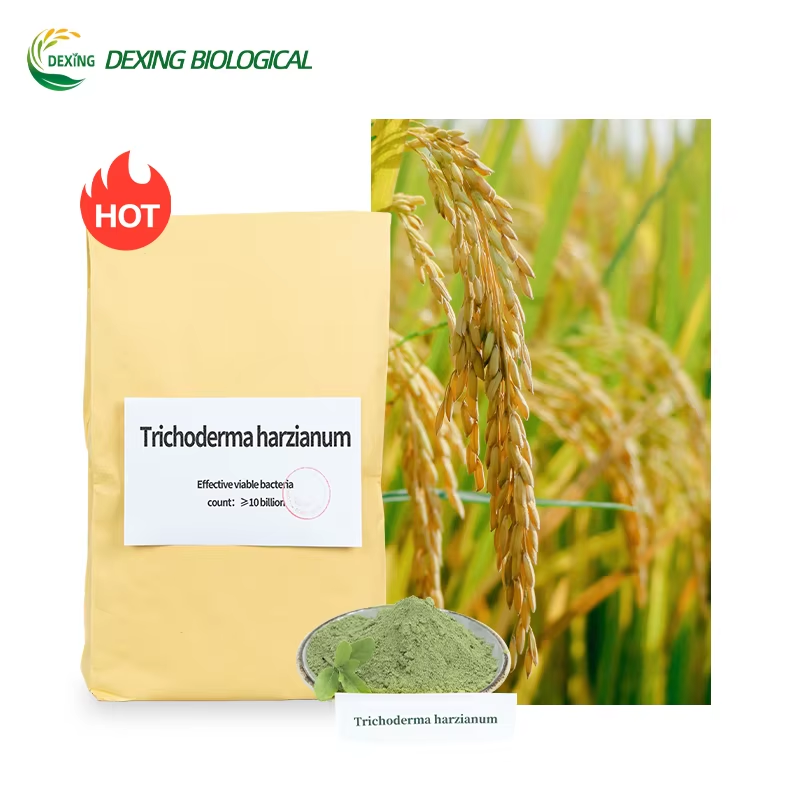
The microbes found in fermented fertilizers help plants fight off diseases through something called induced systemic resistance or ISR for short. These beneficial organisms produce substances such as lipopeptides and chitinases which break down the protective layers of fungi. At the same time, they release certain chemicals into the air that kickstart the plant's own defense systems at the genetic level. Take Trichoderma harzianum for instance. When this particular microbe gets to work on crops, it boosts production of an enzyme known as phenylalanine ammonia-lyase. This leads to stronger cell walls in plants, making them anywhere from 18 to 34 percent more resistant to disease-causing invaders according to research published in Microorganisms back in 2022. Such findings highlight why these natural microbial partnerships are becoming increasingly important in sustainable agriculture practices today.
Scientific Evidence of Disease Suppression in Tomatoes and Leafy Greens
Field trials confirm fermented fertilizers reduce disease pressure in high-value crops:
| Crop | Disease Targeted | Reduction Rate | Study Year |
|---|---|---|---|
| Tomatoes | Fusarium wilt | 71% | 2021 |
| Spinach | Downy mildew | 58% | 2022 |
| Lettuce | Bacterial spot | 63% | 2023 |
Frontiers in Agronomy research (2025) attributes these outcomes to the synergistic effects of microbial diversity, which inhibits pathogens while optimizing crop nutrition.
Sustainable Waste Valorization and On-Farm Economic Advantages
Transforming agricultural waste into bio-organic fertilizer via fermentation
Leftover stuff from farming operations like crop stalks and scraps from food processing can actually turn into really good fermented fertilizer when broken down by microbes under controlled conditions. When we ferment around one ton of plant waste, it typically gives us between 300 to 400 kilograms of this organic material while reducing greenhouse gases by nearly two thirds compared to just throwing it in landfills. Research published in 2025 by Frontiers in Sustainable Food Systems backs this up. What makes this method special is how it improves the availability of phosphorus by almost half and keeps nitrogen locked in better too, about a third more than traditional methods. The result? A fertilizer that releases nutrients slowly over time, which works great for those who want to go organic without compromising on effectiveness.
Closing the nutrient loop: From farm residue to on-site fertilizer production
Farms using decentralized fermentation systems can actually recycle around 85 to 95 percent of their organic waste over about 8 to 12 weeks time. Things that used to get burned or thrown away entirely, such as leftover rice husks and banana plant stalks, are now being put to good use as material for anaerobic digestion processes. What comes out of this process works great as an alternative to chemical fertilizers. Field tests across Southeast Asia have shown that soils treated with this digestate tend to gain between 1.2 and 1.8 percentage points more organic carbon each year in tropical climates, which makes a real difference for long term soil health.
Economic benefits of decentralized, fermented fertilizer systems for smallholders
Small farm owners can cut their fertilizer expenses by around 30 to 40 percent when they do on site fermentation, plus they get extra money from selling what's left over after their own needs are met. Looking at data from nearly 2,300 different farms in 2024 shows something interesting happening too. Farmers saw their bottom line go up between $120 and $180 per acre basically because they spent less on inputs overall and could charge more for their organic goods in the market. What's really nice about this local approach is how it helps whole communities grow economically. For every thousand acres where this happens, somewhere between six and eight new jobs pop up as these regional fertilizer networks start to take shape across villages.
FAQ
What is fermented fertilizer?
Fermented fertilizer is a type of organic fertilizer produced by using natural microbes to decompose organic waste materials into nutrients that can be readily absorbed by plants.
What are the benefits of using fermented fertilizers over synthetic ones?
Fermented fertilizers reduce environmental impact by slowly releasing nutrients, decreasing greenhouse gas emissions, and enhancing soil health and microbial diversity compared to synthetic fertilizers, which can cause nitrate runoff and have a higher carbon footprint.
How does fermentation improve nutrient availability for crops?
Fermentation breaks down bound nutrients using enzymatic action, solubilizing phosphorus and retaining soil nitrogen, which prevents nutrient lockup common in alkaline soils.
Are there economic benefits for farmers using fermented fertilizers?
Yes, farmers can reduce expenses by producing fertilizers on-site, increase earnings by selling the surplus, and enhance community economies by creating local job opportunities through decentralized fertilizer networks.
Table of Contents
- The Science and Production of Fermented Fertilizer
- Environmental and Agricultural Benefits of Fermented Fertilizer
- Improving Soil Health and Microbial Ecosystems
- Long-Term Benefits for Soil Structure, Organic Matter, and Water Retention
- Role of Fermented Fertilizer in Regenerative Agriculture Practices
- Biocontrol Properties and Disease Suppression in Crops
- Sustainable Waste Valorization and On-Farm Economic Advantages
- FAQ