
 EN
EN
How a Microbial Agent Delivers Biocontrol: Core Mechanisms Explained
Direct Action: Antibiosis, Mycoparasitism, and Lytic Enzyme Production
Good microbes fight bad ones in three main ways. First, they produce things called secondary metabolites like peptaibols and polyketides which mess with cell membranes or stop proteins from being made in harmful organisms. Then there's mycoparasitism where certain control fungi such as Trichoderma actually wrap themselves around the bad guys' hyphae, break into their cell walls, and suck out all the nutrients until those pathogens fall apart completely. Another method is through enzymes that break down important structures. For instance, chitinases tackle chitin found in fungus cell walls while cellulases go after cellulose in bugs' outer layers. Real world tests show that when these different strategies work together, they can cut down on fungal problems by nearly 70 percent according to research published by Pandit and colleagues back in 2022.
Indirect Action: Induced Systemic Resistance and Competitive Exclusion
Microbes can actually boost plant defenses in ways that aren't immediately obvious. When plants get hit with certain microbes, they trigger something called induced systemic resistance or ISR for short. This basically gets the plant ready for attack by activating its immune system through things like jasmonic acid and ethylene signals. Think of it as creating an early warning system that cuts down disease symptoms maybe around 35-40% when pathogens show up later. At the same time, good microbes fight bad ones just by being there first. They grab hold of spots where pathogens would normally attach themselves to roots and leaves. These helpful guys also produce special compounds called siderophores to steal away iron from harmful microbes. Plus they eat up carbon and other nutrients before pathogens can get their hands on them. All this competition makes it harder for diseases to take hold without needing any chemicals. Getting results really comes down to picking the right strains for specific growing conditions though. Temperature changes, how wet or dry the soil is, acidity levels, and what other microbes happen to be present all play a role in whether these defense mechanisms actually work properly in real world situations.
Proven Microbial Agent Strains: Trichoderma and Bacillus in Crop Protection
Trichoderma spp.: Dual-Mode Defense via Mycoparasitism and Root Colonization
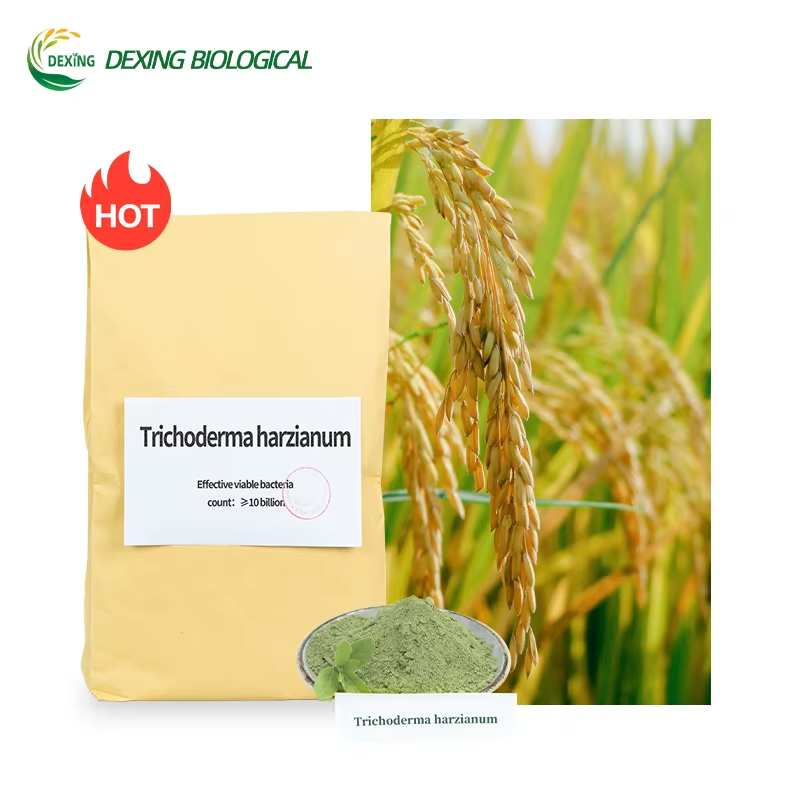
Trichoderma fungi offer two main ways to protect plants from disease. First, they attack harmful pathogens like Fusarium and Rhizoctonia directly through what's called mycoparasitism. At the same time, these beneficial fungi colonize plant roots, helping them absorb nutrients better and triggering something called induced systemic resistance (ISR) in the plants. The fungi also produce enzymes like chitinases and glucanases that literally break apart the cell walls of invading pathogens. When Trichoderma establishes itself densely around plant roots in the soil, it forms a kind of living shield that pushes out other microbes both physically and by competing for resources. Field tests on crops such as tomatoes and wheat have shown pretty impressive results too. Farmers saw about a 70% drop in disease problems when using Trichoderma products, and they were able to reduce their reliance on chemical fungicides by somewhere between 40% and 60%, which is quite significant for most agricultural operations.
Bacillus spp.: Broad-Spectrum Antimicrobials and Rhizosphere Dominance
Certain Bacillus species, notably B. subtilis and B. amyloliquefaciens, are really good at taking over the rhizosphere area around plant roots and stopping a wide range of harmful organisms. These bacteria create substances called lipopeptides such as surfactin and iturin along with other compounds known as siderophores. What these do is stop fungi and bacteria from growing, including problematic ones like Pythium and Ralstonia. When Bacillus strains compete against these bad guys for space and food sources in the soil, they can cut down on how many pathogens survive by somewhere between half to four fifths. According to field tests, when farmers apply Bacillus products, about eight out of ten times there's noticeable reduction in soil borne diseases affecting crops like soybeans and rice. Plus, plants generally grow better too. Shoots get heavier and roots grow longer by roughly 15% to 25%. The fact that these bacteria form protective spores makes them tough survivors, which works well with integrated pest management approaches. That's why so many sustainable farming programs rely heavily on Bacillus based solutions for maintaining healthy crops without relying solely on chemical treatments.
Selecting the Right Microbial Agent: Matching Strain, Formulation, and Field Context
Strain-Specific Efficacy vs. Environmental Adaptability and Shelf Life
Choosing the right biological control agent means finding a balance between how strong a strain is in theory and how it actually performs out there in the real world. We've seen cases where certain fungi work wonders against pathogens in controlled lab settings, but they just can't handle what happens outside those walls - UV light, high temperatures, dry spells all take their toll on these organisms once they're deployed in actual fields. On the flip side, bacterial spores from the Bacillus family tend to hang around longer and stay viable much better, which is great for storage purposes. But here's the catch: they might not work as well across different types of pathogens compared to some other options. How we formulate these products makes a big difference too. Liquid suspensions kick in quickly but usually don't last past six months before losing effectiveness. Granular formulations using peat as a carrier material last way longer, sometimes over twelve months, although they take longer to get established in the soil initially. Soil conditions matter just as much though. Things like pH levels, salt content, amount of organic material present, and existing microorganisms all play into whether our chosen microbes will thrive or struggle. Take acidic soils for instance - many strains that do well there simply won't function properly if moved to alkaline environments. Field tests back this up consistently showing that locally adapted solutions give us around 60% better results compared to generic products brought in from elsewhere.
Integrating Microbial Agent into Sustainable Crop Health Programs
When farmers start using microbes for crop protection, they're basically shifting from just reacting to problems with chemicals to taking a more hands-on, biological approach. These little organisms work wonders for soil health by breaking down organic matter and cycling nutrients around, plus they naturally fight off harmful pathogens. This means we can cut back on those synthetic pesticides that end up contaminating water sources in about 42% of farmland areas according to the U.S. EPA report from last year. Getting good results depends on matching the right microbes to the right conditions. For instance, Trichoderma works best in soils that hold onto moisture since it needs that environment to maximize its antifungal powers. Bacillus species tend to do better in places where there's limited phosphorus available or where the soil gets plenty of air circulation. Farmers who incorporate these microbes into their overall farming strategy see the best results. This includes things like planting cover crops, tilling less frequently, and rotating different crops throughout the seasons. In areas that struggle with drought, farmers reported an impressive 18% increase in soybean yields simply because these microbes helped improve how much water stays in the soil, strengthened root systems, and allowed beneficial bacteria to colonize around plant roots. Studies across various farms showed that this combined method cut down chemical runoff by nearly 60%, all without sacrificing anything in terms of what comes out of the field at harvest time.
Frequently Asked Questions
What are secondary metabolites?
Secondary metabolites are compounds produced by microbes that interfere with the functioning of harmful organisms, such as affecting their cell membranes or inhibiting protein synthesis.
How do microbes boost plant defenses indirectly?
Microbes can boost plant defenses indirectly by triggering induced systemic resistance (ISR), which prepares the plant’s immune system for potential attacks.
Why are Bacillus species preferred in some farming programs?
Bacillus species are preferred because they are adept at surviving under challenging environmental conditions and offer broad-spectrum antimicrobial properties, helping reduce reliance on chemical treatments.
Table of Contents
- How a Microbial Agent Delivers Biocontrol: Core Mechanisms Explained
- Proven Microbial Agent Strains: Trichoderma and Bacillus in Crop Protection
- Selecting the Right Microbial Agent: Matching Strain, Formulation, and Field Context
- Integrating Microbial Agent into Sustainable Crop Health Programs
- Frequently Asked Questions