
 EN
EN
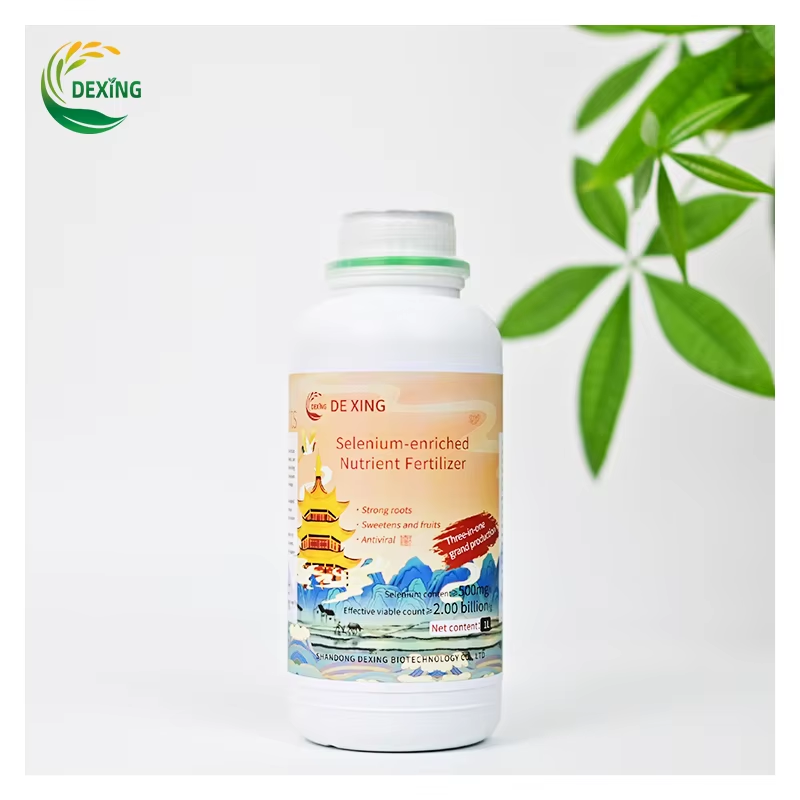
How Fermented Fertilizer Enhances Soil Fertility Through Biochemical Activation
Rapid nutrient solubilization via lactic acid and proteolytic fermentation
Fermented fertilizers work by using lactic acid bacteria (LAB) to speed up the breakdown of complex organic materials into nutrients plants can actually absorb. The proteolytic fermentation process turns proteins into amino acids, and the lactic acid helps dissolve mineral complexes which releases phosphorus and other micronutrients that are usually stuck inside soil particles. Research from 2023 showed these bioactive processes boost available nitrogen by about 47% and phosphorus levels jump nearly 89% just a few weeks after applying the fertilizer. This stands in contrast to regular compost that releases nutrients slowly over time. What makes fermented fertilizers special is their ability to deliver what plants need exactly when they need it most during those crucial growth periods. Plus, since the fermentation happens in an oxygen-free environment, there's much less ammonia loss compared to traditional methods. For farmers working with poor quality soils where standard fertilizers just don't get absorbed well enough, this kind of efficiency really makes a difference.
Synergistic effects of organic acids, phytohormones, and microbial metabolites on root uptake
The organic acids produced during fermentation lower pH levels around plant roots, which helps release nutrients that would otherwise stay locked up in the soil. At the same time, certain plant hormones like auxins and cytokinins encourage the growth of side roots throughout the root system. Microbial byproducts such as siderophores and exopolysaccharides play their part too. Siderophores grab onto iron molecules so plants can absorb them directly through their roots, while exopolysaccharides help hold moisture in the soil and keep soil particles together better. These substances work together to make plant cells more permeable and build up natural defenses against diseases. Real world testing has demonstrated some impressive results. Nitrogen uptake increases by about 85%, almost twice what synthetic fertilizers achieve. Plants also start accessing nutrients much quicker, roughly two and a half times faster actually. This translates into better harvests overall, with field yields improving between 15% and 22% for both grains and vegetables grown using these methods.
Superior Nutrient Bioavailability: Fermented Fertilizer vs. Synthetic and Compost-Based Inputs
Higher NPK recovery rates (72–86%) compared to synthetic fertilizers (≈45%)
When it comes to recovering NPK nutrients, fermented fertilizer does remarkably well with recovery rates between 72 to 86 percent. That's almost twice as good as what we typically see from synthetic options, which max out around 45% efficiency at best. The magic happens because of processes involving lactic acid that helps break down nutrients, along with enzymes that turn them into forms plants can actually use without leaving behind harmful chemicals. Unlike synthetic fertilizers that dissolve too quickly and wash away, these fermented products release their nutrients gradually, cutting down on loss through runoff. Studies show this slow release reduces nitrogen loss by over 60% compared to conventional methods (Journal of Sustainable Agriculture, 2023). Farmers working with alkaline soils find another advantage too: fermented materials keep phosphorus moving where synthetic phosphate tends to get stuck permanently when it binds with calcium in the soil. All told, this means better nutrient uptake for crops and farm operators needing to apply fertilizer only about 40% as often as they would with traditional products.
Optimized co-application strategies to amplify rhizosphere enzymatic activity and biological nitrogen fixation
When farmers combine fermented fertilizers with cover crops that fix nitrogen like clover or vetch, they see about twice as much activity in the soil around plant roots. The lactic acid bacteria in these mixtures actually boost what comes out of the roots, which helps attract those helpful nitrogen-fixing microbes. Studies from Agronomy Journal back this up, showing an impressive 78% increase in naturally fixed nitrogen since 2022. At the same time, certain enzymes break down leftover organic matter into ammonium, filling in nutritional gaps when crops aren't growing. Real world testing shows farmers who try this method often get roughly 19% better soybean harvests without needing any synthetic nitrogen products. To maximize benefits, most experienced growers recommend applying these fermented treatments early on when plants start growing actively because that's when their roots release the most substances needed for this process to work effectively.
Long-Term Soil Health Benefits Driven by Microbial Resilience
Stimulation of keystone microbial consortia—not suppression—by lactic acid bacteria
Synthetic fertilizers tend to reduce microbial diversity in soils, whereas fermented fertilizers actually help boost soil life by encouraging key groups of beneficial microbes. The lactic acid bacteria present create helpful relationships that are really important for things like moving nutrients around, storing carbon, and helping soil particles stick together better. Field tests over several years show these changes in the soil's living community increase what scientists call functional redundancy, which basically means the soil can handle problems like dry spells, tight compacted ground, and disease threats much better. At the same time, these microbial improvements keep the balance between predators and prey intact within the soil ecosystem. Farmers have noticed about a 20 percent increase in root mass along with stronger overall soil structure when using these natural amendments regularly.
Significant increases in soil dehydrogenase and urease activity (2.3×) post-application
When applied to soil, fermented fertilizer causes noticeable increases in important enzymes. Studies show that dehydrogenase and urease levels can jump by around 2.3 times over the course of two months after treatment. These enzyme boosts help speed up processes where nitrogen becomes available to plants and break down organic materials faster, essentially waking up nutrients that were previously stuck in the ground. Farmers have observed field results showing about 18 percent better cation exchange capacity and much less nitrate running off into groundwater. This means healthier soils that keep performing well even after several growing seasons. The continued biological action makes fermented fertilizer something serious farmers consider when building long term soil health strategies for their land.
Practical Implementation Guide for Farmers and Agronomists
Effective implementation begins with soil testing to identify baseline nutrient status and constraints. Apply fermented fertilizer at 150–200 liters per hectare during early growth stages—when microbial activity and root uptake efficiency peak. Integrate with conservation practices like cover cropping and reduced tillage to reinforce microbial diversity and soil structure.
Critical success factors include:
- Pre-application calibration: Adjust soil pH to 5.8–6.5 and ensure moisture is at field capacity to prevent nutrient lockup
- Distribution uniformity: Use drip injection or low-pressure sprayers to avoid anaerobic hotspots and ensure even microbial inoculation
- Post-application monitoring: Track dehydrogenase activity biweekly to verify biological activation and adjust timing if needed
Seasonal application strategies vary by crop type:
| Crop | Timing | Frequency | Key Benefit |
|---|---|---|---|
| Row crops | Pre-emergence/V4 | 2×/season | Enhanced nitrogen fixation |
| Perennials | Bud break + fruit set | 3×/season | Improved micronutrient uptake |
| Cover crops | Establishment phase | 1×/cycle | Accelerated residue breakdown |
After application, assess root mass density and mycorrhizal colonization at 30-day intervals to validate efficacy. Trials show farms adopting this protocol reduce synthetic inputs by 40% while sustaining yield stability. For scale-up, begin with replicated test plots to observe site-specific soil response before full-field deployment.
FAQ
What makes fermented fertilizers different from traditional fertilizers?
Fermented fertilizers use biochemical processes with lactic acid bacteria to quickly break down complex organic materials, providing rapid nutrient availability to plants. Unlike traditional fertilizers, they release nutrients more gradually and efficiently, minimizing loss through runoff.
How do fermented fertilizers impact soil health long-term?
They enhance microbial diversity and resilience in the soil, stimulating beneficial microbial consortia that support nutrient cycling, carbon storage, and soil structure integrity over time.
What is the recommended application method for fermented fertilizers?
Effective application involves soil testing, ensuring distribution uniformity using drip injection or low-pressure sprayers, and monitoring microbial activity and enzyme levels after application.