
 EN
EN
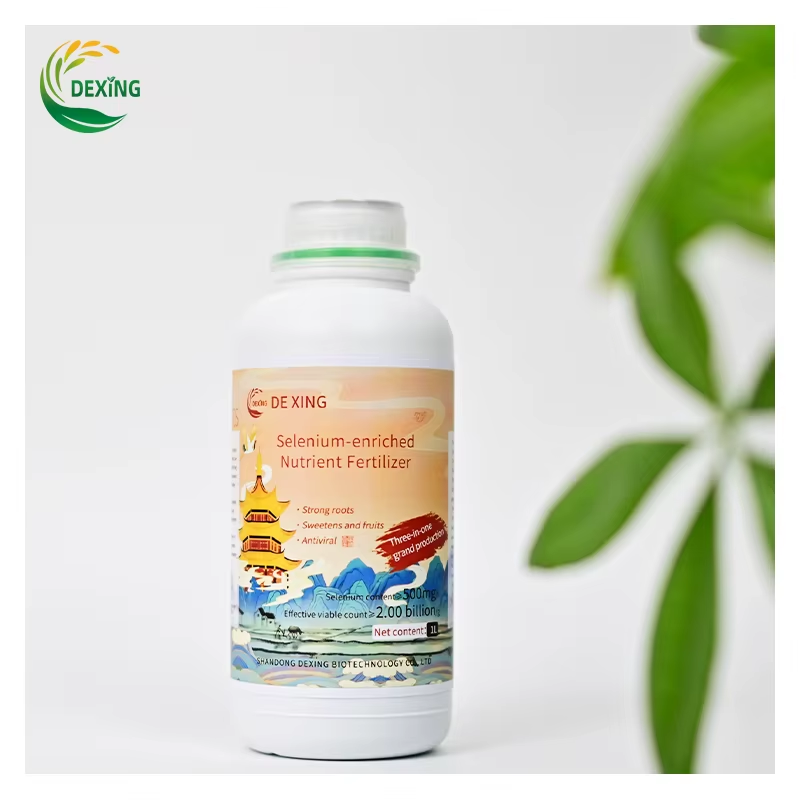
How Biological Organic Fertilizer Restores Soil Health and Function
The Microbial Engine: Rhizobacteria, mycorrhizae, and cyanobacteria in nutrient solubilization and disease suppression
Organic biological fertilizers work like tiny engines for regenerating soil because they contain all sorts of different microbes working together. The rhizobacteria in them take nitrogen from the air and turn it into something plants can actually use. Mycorrhizal fungi basically grow extra roots around plant roots, sometimes making them 100 times bigger, which helps grab phosphorus that would normally stay locked up in the soil. Cyanobacteria do two things at once: they fix nitrogen too and also produce sticky substances that help hold soil particles together better. All these microorganisms create what amounts to a continuous loop of nutrients flowing through the soil. They break down minerals so plants can access them easier and fight off harmful organisms by taking over space and producing stuff that kills bad bacteria. Research on actual farms has found that when these beneficial microbes team up like this, crop diseases drop anywhere from 40% to 60%. This creates healthier soils that don't need so many chemical inputs.
Evidence of regeneration: 60% global arable soils show degraded microbial diversity (FAO SOILS 2022) â and how biological organic fertilizer reverses it
According to the Food and Agriculture Organization's 2022 report on world soils, around 60% of farmland across the globe is losing its vital microbial life and diversity. This loss plays a major role in why our soil is getting less fertile and more vulnerable to climate changes. Biological organic fertilizers tackle this problem head on by introducing between 10^8 to 10^9 colony forming units per gram of living microbes when applied to fields. Farmers who have used these treatments notice something interesting after just two growing seasons. The soil starts showing about 25 to 30 percent more activity in enzymes like dehydrogenase, phosphatase, and urease. These enzymes are basically nature's way of telling us that the soil's metabolism is kicking back in and nutrients are cycling properly again. What's really important too is that these treatments help restore the balance between fungi and bacteria in the soil. This balance makes a big difference - we're seeing water retention improve by roughly 15% and soil structure gets stronger by about 22%. As time goes on, this whole process transforms worn out subsoil into healthy topsoil that can support plant growth better. On average, soil organic matter content goes up by about 0.8% each year through this regeneration.
Biological Organic Fertilizer in Action: Yield Stability, Resilience, and Farmer Adoption
Real-world impact: Andhra Pradeshâs Zero Budget Natural Farming â 37% average yield stability gain with biological organic fertilizer (ICAR, 2023)
The Zero Budget Natural Farming program rolling out across Andhra Pradesh shows just how well biological organic fertilizers can work when scaled up. Farmers there swapped out chemical fertilizers for homemade microbial mixes like Jeevamrutha and Bijamrita, and saw their harvests become much steadier over time. On average, yields for rice, cotton, pulses, and veggies improved by around 37%. What makes this approach special isn't just higher production numbers, but how these farms kept performing even during dry spells, unpredictable rains, and pest problems. The soil and plants seem to have formed stronger connections somehow. According to research done last year by India's Council of Agricultural Research, fields using ZBNF methods stayed productive despite needing between half and two thirds less variable inputs compared to conventional farming. This suggests biological organic approaches might be key for farmers trying to adapt to changing weather patterns.
Farmer economics: Lower input costs, reduced dependency on synthetic fertilizers, and improved long-term land value
Switching to biological organic fertilizer brings real money savings right away and keeps growing over time. Farmers can cut input costs by about half when they stop buying synthetic nitrogen, phosphorus, and pesticides. This makes a big difference since chemical prices swing so much and often leave folks stuck in debt. What's even better is how these fertilizers actually improve the land itself. Healthier soil structure, more organic matter, and balanced microbes mean crops keep coming in good amounts without needing more and more outside stuff each year. Look at farms that made the switch five years ago their land values went up around 15 to 20 percent. That reflects not just better productivity but also less chance of soil breakdown. The change turns farmland from something that loses value over time into property that gets better with age. This means better profits for current farmers and leaves something valuable for future generations too.
Environmental and Human Health Advantages of Biological Organic Fertilizer
Reduced pollution: Up to 42% less nitrogen leaching vs. synthetics (Nature Sustainability, 2021)
Synthetic fertilizers tend to dump nutrients all at once, usually giving plants way more than they need right then. Biological organic fertilizer works differently though. It slowly releases nitrogen and other minerals as microbes break them down over time. Research published in Nature Sustainability back in 2021 found fields treated with these biological options had around 42% less nitrate running off into the ground water. That means fewer pollutants making their way into our streams and lakes. Another big plus? These organic versions don't cause the soil to become acidic like many ammonium-based synthetics do. Keeping the soil's pH stable helps maintain good conditions for beneficial microbes too. Farmers who switch see cleaner water overall, better tap water quality for nearby towns, and actually help fight against problems like algal blooms in rivers and lakes. And best part? Their harvests stay just as productive as when using traditional methods.
Carbon-positive potential: Biochar-amended biological organic fertilizer sequesters 0.8â1.2 t C/ha/yr and mitigates heavy metal bioavailability
Combining biochar with biological organic fertilizer creates some pretty impressive environmental advantages together. The carbon rich material acts as a home for good microbes in the soil and helps keep organic matter stable over time. Studies show fields treated with these mixtures can lock away about 0.8 to maybe even 1.2 tons of carbon each year from every hectare. That basically means regular farmland becomes something like a carbon sink in practice. Another big plus is how biochar grabs onto heavy metals such as cadmium and lead through its special properties. Tests indicate this process cuts down on plants absorbing these harmful substances by roughly 60 percent or so. So we get two main benefits here: fighting climate change effects while making sure our food stays safe. Better soil structure, improved water holding capacity, enhanced nutrition in crops, all while protecting people who eat what grows there.
FAQ Section
What is biological organic fertilizer?
Biological organic fertilizer is a type of fertilizer that contains living microorganisms, which enhance the nutrient content and biological activity of the soil.
How does biological organic fertilizer benefit the soil?
It improves soil health by increasing enzyme activity, nutrient cycling, and microbial diversity, leading to better water retention and soil structure.
Can biological organic fertilizer help in reducing pollution?
Yes, it can reduce nitrogen leaching by up to 42%, decreasing the level of pollutants in groundwater and maintaining soil pH stability.
What are the economic benefits for farmers using biological organic fertilizers?
Farmers can lower input costs, reduce dependency on synthetic fertilizers, and increase the long-term value of their land.
How does biochar enhance the effectiveness of biological organic fertilizer?
Biochar acts as a home for soil microbes, helps sequestrate carbon, and reduces heavy metal bioavailability, improving the overall effectiveness of the fertilizer.