
 EN
EN
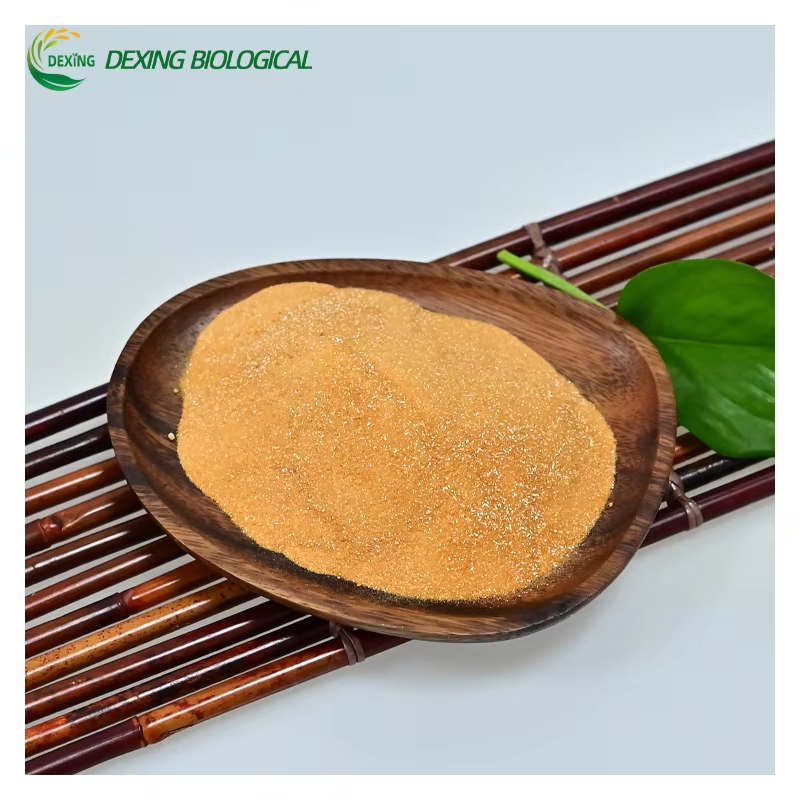
Why Premium Additives Are Essential for Closing the Yield Gap
The genetic potential vs. field reality gap: How conventional fertilizers fail to unlock full yield potential
Today's modern crop varieties have huge genetic potential, but actual field yields fall short by about 70 to 90 percent for important crops like corn according to the Global Yield Gap Atlas from 2024. Regular fertilizers just aren't cutting it when it comes to making up this difference because they suffer from problems like nutrients washing away, getting stuck in the soil, and failing to help plants handle stress properly. The situation gets even worse in alkaline soils where roughly 80 percent of the phosphorus we apply simply doesn't reach the plants, leaving them hungry for nutrients even though we've put plenty down. As a result, many farmers end up applying more fertilizer than necessary in an attempt to compensate, which drives up their expenses without actually solving the underlying issue of low yields.
Evidence from FAO and peer-reviewed trials: 23–37% average yield gains with premium biostimulant additives in maize and wheat
Field trials demonstrate that integrating premium additives—such as fulvic acid and phosphorus-solubilizing microbes—with base fertilizers boosts yields by 23–37% in cereal systems (FAO 2023). These additives enhance nutrient use efficiency through three synergistic mechanisms:
- Root zone optimization: Fulvic compounds increase nutrient solubility by 40%
- Microbial activation: Phosphorus-mobilizing bacteria triple P uptake in calcareous soils
-
Stress mitigation: Biostimulants improve drought recovery by 58% in wheat trials
This synergy allows crops to consistently achieve 85–90% of genetic potential—transforming yield gaps into measurable profit gains.
Top Science-Backed Premium Additives for Yield and Soil Health
Premium agricultural additives leverage biochemical innovations to resolve nutrient deficiencies and soil constraints while enhancing crop resilience. These solutions transform soil ecosystems through targeted mechanisms validated by third-party trials.
Fulvic acid additives: Proven enhancement of nutrient uptake, root development, and stress resilience
Fulvic acid—a low-molecular-weight humic substance—enhances crop performance through three evidence-based mechanisms:
- Nutrient chelation: Binds micronutrients like iron and zinc into plant-available forms, increasing uptake efficiency by 20–30% (Jiang et al. 2022)
- Root stimulation: Accelerates lateral root formation by 40%, boosting root surface area and drought resistance
- Stress mitigation: Activates antioxidant enzymes that reduce oxidative damage during heat or drought stress by 15–25%
Field trials with cereal crops demonstrate 12–18% yield gains from optimized nutrient mobility and improved water retention in sandy soils.
Phosphorus-solubilizing microbial additives: Tripling phosphorus use efficiency in alkaline and calcareous soils
Phosphorus (P) fixation in high-pH soils restricts crop access to 70–80% of applied fertilizer. Microbial inoculants containing Bacillus and Pseudomonas strains resolve this through:
| Mechanism | Functional Impact | Field Result |
|---|---|---|
| Organic acid secretion | Dissolves calcium-phosphate bonds | 3× P solubility |
| Phytase enzyme release | Mineralizes organic P reserves | 27–35 kg/ha P availability |
| Mycorrhizal symbiosis | Extends root absorption zone | 18–22% yield increase in maize and wheat |
Calcareous soil trials show these additives reduce P fertilizer requirements by 40% while maintaining yield targets—lowering input costs and environmental impact.
Strategic Integration of Additives into Precision Fertilization Programs
Matching additive application timing to crop phenology and soil test data for maximum ROI
When farmers match their additive applications to both important crop growth phases and what's actually happening in the soil, they get better results and waste less product. Take phosphorus solubilizing microbes for instance. If applied at the right time during early root development in soils lacking phosphorus, these microbes can actually triple how well plants take up nutrients compared to just following a fixed schedule. Another good practice involves using foliar applied fulvic acid during the reproductive stage of crops. This helps plants handle stress much better, especially when tissue tests show there are problems with micronutrients. Farmers who pay attention to these details tend to see real improvements in their yields without spending extra money on unnecessary inputs.
- Conducting pre-planting soil tests to identify nutrient limitations
- Syncing microbial additive applications with root elongation phases
- Deploying biostimulants during abiotic stress windows (e.g., flowering heatwaves)
- Using sensor-driven variable-rate technology to adjust in-season doses
This synchronization leverages precision agriculture tools—including soil moisture sensors and satellite imagery—to ensure additives activate precisely when crops are most receptive. A 2024 meta-analysis showed farms adopting phenology-aligned additive programs achieved 28% higher ROI through optimized inputs and yield gains exceeding 19% in cereal systems.
Measuring Success: Key Metrics for Evaluating Additive Performance on Your Farm
To get the most out of premium additives on farms, farmers need to actually measure what works and what doesn't when it comes to their bottom line and how resources are used. The first step? Look at how much extra crop comes from each acre compared to regular plots or what was harvested before using these additives. Some research published last year in the Journal of Agronomy found that fields treated with these special additives saw anywhere from 15 to 27 percent better yields for common crops like corn and soybeans. Farmers should also check how efficient they're being with inputs. Think about things like how much fertilizer costs for every bushel produced or how much water goes into making a ton of produce. This helps spot where money might be saved. When looking at soil health over time, take annual tests to see changes in organic matter content and watch how roots grow in areas that got treatment versus those that didn't. These signs tell us if the additives really work in the long run. To figure out if it all pays off, compare what was spent on additives with the extra money made from better yields ($22 per acre spent versus $190 gained in some cases) plus savings from buying fewer synthetic chemicals. Regularly checking these numbers makes smarter choices possible when deciding whether to keep using these additives next season.
FAQ
What are premium additives, and how do they differ from regular fertilizers?
Premium additives, like fulvic acid and phosphorus-solubilizing microbes, enhance nutrient uptake and improve stress resilience in crops, addressing limitations common with regular fertilizers.
How do these additives contribute to increased yield?
They improve nutrient solubility, activate beneficial microbes, and help crops better manage stress, leading to significant yield increases.
Can premium additives be used for all crops?
Yes, they are beneficial across various crops, but their application should be tailored based on crop type, growth stage, and soil conditions for optimal results.
What is the return on investment with premium additives?
Studies show up to 28% higher ROI due to enhanced yields and reduced input costs.
Table of Contents
-
Why Premium Additives Are Essential for Closing the Yield Gap
- The genetic potential vs. field reality gap: How conventional fertilizers fail to unlock full yield potential
- Evidence from FAO and peer-reviewed trials: 23–37% average yield gains with premium biostimulant additives in maize and wheat
- Top Science-Backed Premium Additives for Yield and Soil Health
- Strategic Integration of Additives into Precision Fertilization Programs
- Measuring Success: Key Metrics for Evaluating Additive Performance on Your Farm
- FAQ