
 EN
EN
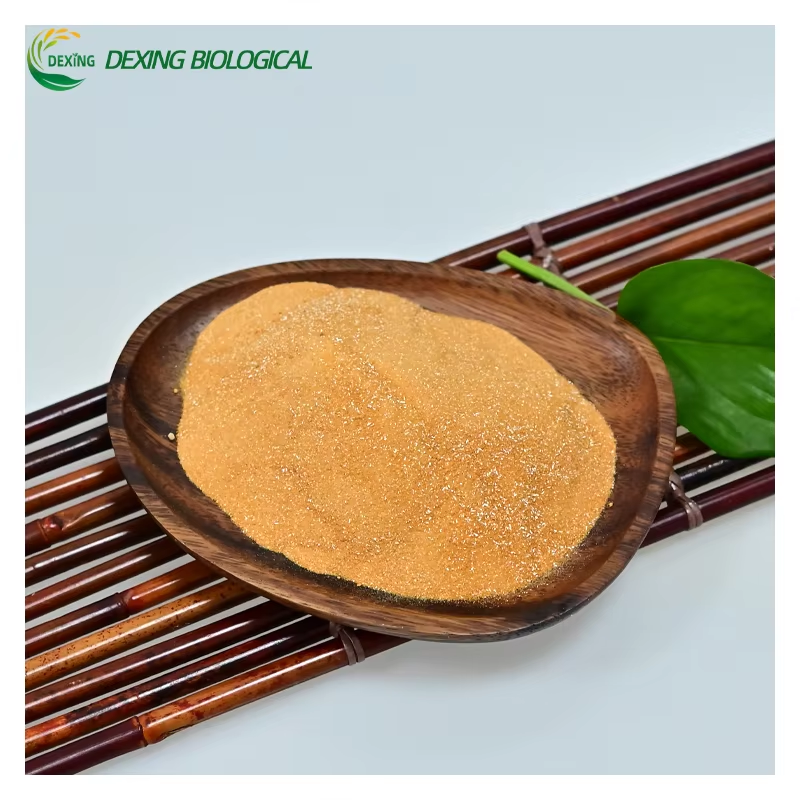
Boosting Greenhouse Productivity with Microbial Agent Watersoluble Fertilizer
How Microbial Agents Enhance Nutrient Availability and Uptake
Water soluble fertilizers containing microbial agents boost how plants absorb nutrients through biological mechanisms that regular chemical fertilizers just can't match. Take Bacillus species for example these helpful microbes actually break down phosphorus that's otherwise stuck in the soil, which allows plants to take up nutrients about 40% faster than what we see with traditional fertilizers. A report from Agricultural Microbiology in 2023 backs this up pretty well. What happens is these little organisms produce things like organic acids and enzymes that transform hard to access nutrients into forms plants can actually use. They release these nutrients slowly over time matching when plants need them most and cutting down on runoff problems. Research indicates that after applying these microbial products, around 84% of nutrients stay available for plants within three days, whereas only about 57% remains usable with those granular synthetic options. The benefits don't stop there either. These natural systems cut down on wasted nutrients by roughly two thirds and keep soil pH stable within a narrow range of plus or minus 0.3 units, something synthetic fertilizers struggle with as they tend to cause bigger swings in pH levels, sometimes varying by as much as 1.2 units.
Case Study: Improved Tomato Yields Using Microbial Inoculants
In a recent 2023 greenhouse experiment conducted at a major agricultural research facility, tomato plants receiving treatment with water-soluble microbial agent fertilizer showed significant boosts in both yield and quality compared to standard growing methods. The treated plants actually yielded about 22.7 percent more tomatoes than their untreated counterparts, while taking up nutrients 18 percent more efficiently. What really stands out though is what happened below ground level. The interaction between roots and microbes created much better vascular systems in these plants. Xylem walls grew thicker, measuring around 28 micrometers thick compared to just 19 micrometers in regular plants. Phloem vessels expanded by roughly 40 percent too, which means nutrients could travel through the plant faster. Even the fruit quality got better, with soluble sugars increasing by approximately 15.3 percent. All these findings point to something pretty important: when plants form good relationships with beneficial microbes, they distribute energy throughout their systems more effectively, leading to healthier, more productive crops overall.
The Shift Toward Biofertilizers in Sustainable Greenhouse Management
More and more greenhouses across North America are turning to microbial based water soluble fertilizers as part of their sustainability efforts. These natural alternatives slash ammonia loss by around two thirds compared to traditional methods while making nutrients work better too - studies show about 30% improvement in how plants actually take up what they need. Synthetic fertilizers tell a different story though, losing half to three quarters of their nitrogen content within just three weeks because of runoff and gases escaping into the air. What makes these microbial products so valuable is that they keep feeding crops over time and actually help build healthier soils underneath. Researchers have been looking at this stuff for years now, and what keeps coming up again and again is that these biofertilizers bring back beneficial microbes, fix up compacted earth, and let farmers cut down on chemicals by roughly a quarter without seeing any drop off in plant growth. For anyone running a greenhouse concerned about environmental impact, switching to these biological solutions seems pretty much unavoidable at this point.
Mechanisms of Microbial Agent Watersoluble Fertilizer in Soil and Root Zones
Phosphorus and Micronutrient Solubilization by Beneficial Microbes
The good bacteria found in water soluble fertilizers actually help plants access nutrients they would normally miss out on. Take phosphate solubilizing bacteria like Pseudomonas species and Bacillus megaterium for instance. These little workers create organic acids that break down locked up phosphorus in the soil, making it available much faster for plant roots to grab hold of. Another neat trick these microbes perform is releasing substances called chelating agents which attach themselves to important trace elements such as iron and zinc, turning them into forms that roots can easily take up. Greenhouse operators really appreciate this capability because their crops get planted again and again without giving the soil time to replenish itself naturally. The result? Plants receive consistent nourishment all through their growth period instead of suffering from mid-season deficiencies.
Production of Plant Growth-Promoting Substances (e.g., IAA, Siderophores)
Microbes do more than just move nutrients around they actually create special compounds that boost plant growth right at the roots. Some bacteria make something called IAA, which is basically a plant hormone that gets those roots growing longer and spreading out more. This extra root growth means plants can grab hold of more nutrients from the soil. Then there are other microbes that produce these little iron catchers known as siderophores. They bind to iron in the soil making it available to plants but also keeping harmful microbes hungry since they cant get their hands on this essential mineral. All these natural helpers work together to build tougher, healthier plants. Research has found that crops treated with these beneficial microbes show better phloem systems and generally move nutrients through their tissues much more efficiently than untreated plants.
Overcoming Efficacy Variability Across Crops and Conditions
How well microbial agent water soluble fertilizers work depends quite a bit on what kind of crops are being grown, the pH level of the soil, ambient temperatures, and whatever microbes already live there. For better consistency, newer formulas mix several different but compatible microbe types together. These include things like nitrogen fixing bacteria alongside those that help break down phosphates in the soil. When applied properly during specific growth phases and when soil conditions are right, these biological fertilizers become much more reliable. Many greenhouse operators have found this approach makes their operations far more predictable compared to traditional methods.
Improving Greenhouse Soil Health Through Microbial Balance
Restoring Microbial Diversity in Intensively Cultivated Soils
Greenhouse farming tends to reduce the variety of microbes in soil when growers keep planting the same crops year after year and depend heavily on chemicals. That's where microbial agent water soluble fertilizer comes in handy. These products bring back helpful bacteria and fungi that help restore balance to the soil ecosystem. Some microbes fix nitrogen from air, others break down phosphates so plants can absorb them better. The decomposers work their magic on organic material too. Studies have shown something interesting here: when farmers focus on rebuilding microbial populations, they see improvements in how nutrients cycle through the system. One study even reported around a 40% boost in efficiency. This matters because it creates conditions for greenhouses that need fewer synthetic inputs long term, making operations both more sustainable and economically viable for growers who want to cut costs without sacrificing yields.
Suppressing Soil-Borne Diseases via Competitive Exclusion
Microbial formulations work their magic by naturally keeping soil-borne pathogens at bay through what scientists call competitive exclusion. When applied to crops, these good microbes take over the root area and basically claim spots in the soil that bad guys like Fusarium and Pythium would normally grab for themselves. Pretty clever actually. And get this - certain types of these beneficial microbes go even further by manufacturing substances that stop harmful pathogens from growing. Tests run in greenhouses showed pretty impressive results too, cutting down disease problems by around 60% in many cases. With farmers facing increasing challenges from chemical fungicides losing effectiveness over time, turning to these living solutions represents something genuinely sustainable. Crops stay healthy longer term while we avoid creating those super resistant strains that make life harder down the road.
Long-Term Benefits for Soil Structure and Organic Matter
When farmers keep applying those microbial agent watersoluble fertilizers regularly, they start seeing real changes in their soil's physical characteristics over time. What happens is these little microbes produce all sorts of gooey stuff like extracellular polysaccharides and other sticky compounds. These substances basically glue together individual soil particles into bigger clumps or aggregates. This makes a big difference because it opens up more space between soil particles for both air and water to move through. Tests have shown that soils treated this way can hold about 25% more moisture compared to untreated ones, plus there's less compacting going on which is a major headache in those tightly packed greenhouse operations. Another benefit comes from how active microbes break down organic materials into something called stable humus. This process slowly builds up the organic content in the soil while keeping the biological life going strong. After several seasons of regular application, gardeners often notice this cycle continues naturally where better soil conditions support even more microbe growth, leading to progressively improved soil quality year after year.
Effective Application Methods for Microbial Agent Watersoluble Fertilizer
Soil Drenching and Fertigation: Optimizing Root-Zone Delivery
When it comes to getting those water soluble microbial fertilizers right down to where the roots need them, soil drenching and fertigation stand out as really good options. With soil drenching, gardeners basically pour a diluted mix around the base of plants so the roots get direct access almost instantly. Fertigation takes things one step further by mixing these beneficial microbes directly into the irrigation system. The result? Uniform distribution through drip lines or even sprinkler systems that cover everything evenly. According to recent studies from the Food and Agriculture Organization, this method can boost how efficiently plants use nutrients by about 40 percent compared to just spreading fertilizer all over the place. Less wasted product means more money saved and better colonization of the rhizosphere area, which makes a huge difference especially inside greenhouses where conditions are tightly controlled.
Seed Treatment and Transplant Dipping for Early Colonization
When we treat seeds or dip transplants in microbial solutions, we're basically helping plants get off to a good start when it comes to taking up nutrients and fighting off diseases. Sprinkling those little seeds with a mix of helpful microbes means they have friends waiting for them right from the moment they sprout. And if we dunk young plant roots in similar solutions just before moving them to their permanent spot, those roots colonize much faster and suffer less during the stressful move period. Some studies indicate that this approach boosts seedling survival by around 25 percent and gives plants a real kickstart in terms of growth strength according to research published last year in the Journal of Applied Microbiology. Greenhouse operators who want their crops to hit the ground running really need to consider these techniques since they make such a difference in how well plants establish themselves right from the beginning.
Advancements in Formulation: Stability and Viability of Microbial Products
Challenges in Storing and Applying Live Microbial Cultures
Keeping live microbial cultures viable through storage and when they're actually used in the field is still quite a problem for many growers. These good bacteria just don't take kindly to extreme temperatures, drying out, or getting hit by UV light, all things that can really cut down on how effective they become once applied. Take traditional solid products like wettable powders for instance - most of them start losing their potency after around 8 to maybe 12 months sitting on shelves according to some research from Hossain and colleagues back in 2023. And then there's the whole issue of mixing these live cultures into fertigation systems. Water quality varies so much from day to day, with pH levels fluctuating and chlorine sometimes present, making it tough for microbes to survive long enough to colonize plant roots properly.
Innovations in Encapsulation and Liquid Stabilization Technologies
New developments in encapsulation techniques and stabilizing liquids are helping to tackle many of the old problems we faced. When microbes get wrapped in protective layers made from things like biodegradable plastics or alginate beads, they stay safe from harsh conditions outside their ideal environment. This protection also means they can be released gradually once they hit the soil where they're needed most. Looking at liquid formulas now being developed, researchers have added special ingredients called osmoprotectants along with other carrier materials. These help microbes survive even when temperatures climb as high as 45 to 50 degrees Celsius, which extends how long products remain usable on shelves between 15 to 24 months according to recent research by Hossain and colleagues back in 2023. What all this means for farmers is better performing water soluble fertilizers that work reliably without much fuss. Growers can integrate these new solutions right into their existing greenhouse irrigation setups, knowing that the beneficial microbes will reach plants consistently and stay active throughout the growing season.
FAQ
What are microbial agent water-soluble fertilizers?
Microbial agent water-soluble fertilizers are fertilizers that contain beneficial microorganisms. These microbes enhance nutrient availability and uptake in plants by converting nutrients into more accessible forms for plants to absorb.
How do microbial fertilizers benefit greenhouse farming?
They improve nutrient uptake efficiency, stabilize soil pH, reduce nutrient runoff, and help in suppressing soil-borne diseases, making plant growth more sustainable and productive.
What methods are effective in applying microbial water-soluble fertilizers?
Effective methods include soil drenching, fertigation, seed treatment, and transplant dipping, all of which help optimize root-zone delivery and early colonization of beneficial microbes.
Are there challenges in using microbial fertilizers?
Yes, challenges include the storage and viability of live microbial cultures, which can be affected by temperature, drying, and UV exposure. However, advancements in encapsulation and liquid stabilization technologies are helping overcome these issues.
Table of Contents
- Boosting Greenhouse Productivity with Microbial Agent Watersoluble Fertilizer
- Mechanisms of Microbial Agent Watersoluble Fertilizer in Soil and Root Zones
- Improving Greenhouse Soil Health Through Microbial Balance
- Effective Application Methods for Microbial Agent Watersoluble Fertilizer
- Advancements in Formulation: Stability and Viability of Microbial Products
- FAQ