
 EN
EN
Understanding the Role of Additives in Modern Farming
The importance of additives in enhancing feed utilization improvement
Adding things like exogenous enzymes and organic acids to animal feed helps break down those tough fibers and starches, making it easier for animals to absorb nutrients. The latest Animal Nutrition Review from 2023 shows that when poultry gets these enzyme supplements, their ability to digest feed goes up around 12 to 15 percent. That means less wasted feed and money saved on production costs. For farmers, this translates into getting more calories and protein out of what they already feed their livestock without having to spend extra on special formulations.
How gut health optimization supports overall livestock productivity
When farmers feed probiotics and prebiotics to livestock, they're actually helping create a healthier balance of microbes in the gut. Studies show this can cut down harmful bacteria such as E. coli and Salmonella by about 30 percent in pig populations. The benefits go beyond just keeping bad bugs away too. Better digestion means cattle put on weight faster, with some research indicating around 7 to 9% improvement in growth rates. Dairy cows also seem to fight off diseases more effectively according to data from agricultural extension services. All these improvements work together to boost productivity across the board. Farmers see real results in their operations through increased milk production from dairy herds and improved meat quality from beef cattle.
Rising dependency on feed additives due to intensified farming practices
Global meat consumption is climbing at around 1.8% per year according to FAO data from last year, so many farmers have started turning to various additives just to keep up with demand without breaking environmental rules. Big poultry farms that pack in over 50 thousand chickens typically sprinkle acidifiers into feed to keep bad bacteria at bay. Meanwhile, fish farmers dealing with crowded tanks often mix amino acids into their water systems to help stressed-out aquatic life cope better. Researchers studying sustainable agriculture methods have found something interesting too these days. Their work indicates that when farms use these kinds of additives regularly, they end up cutting down on antibiotics by about forty percent across intensive operations.
Key Types of Feed Additives and Their Functions
Probiotics and prebiotics for microbial balance in animal feed
Probiotics—live beneficial bacteria—and prebiotics—specialized dietary fibers—work together to strengthen intestinal microbial balance, reducing pathogenic colonization by up to 40% in poultry (FAO 2022). They enhance nutrient absorption and support immune function; studies show probiotic-supplemented cattle experience 18% fewer digestive disorders than control groups.
Exogenous enzymes to improve nutrient digestion and feed efficiency
Enzymes like phytase and xylanase break down anti-nutritional factors in plant-based feeds, releasing 12–18% more metabolizable energy from grains and oilseeds. By improving starch and protein utilization, these supplements reduce feed costs per kilogram of weight gain in swine by $0.14–$0.22, according to FAO 2022 data.
Phytogens and plant-based compounds as natural additives
Essential oils such as thymol and carvacrol from oregano exhibit both antimicrobial and antioxidant properties, reducing dependence on synthetic additives. Trials using rosemary extract demonstrated a 22% reduction in oxidative stress biomarkers during heat stress in dairy cows.
Organic acids for gut health and pathogen control
Formic and propionic acids lower intestinal pH, inhibiting the growth of Salmonella and E. coli, while also improving mineral absorption. In piglet trials, organic acid blends reduced post-weaning mortality by 31% and increased daily weight gain by 19%, as reported in a 2023 swine nutrition review.
Essential amino acids, vitamins, and minerals in animal nutrition
Precision supplementation of lysine, methionine, and trace minerals addresses nutritional gaps in commercial feeds. Optimized levels of vitamin E and selenium enhance disease resistance, with evidence showing 14% faster recovery rates in respiratory-challenged beef cattle.
Matching Additives to Livestock Species and Growth Stages
Understanding Species-Specific Nutritional and Physiological Needs
Different types of livestock have quite different ways their bodies process food and handle energy needs. For example, chickens and other birds need extra methionine in their feed to help those feathers grow properly, while cows and similar animals do better when their feed includes substances that keep the acid balance right in their stomachs. According to recent studies from top agricultural researchers published last year, customizing feed additives based on specific animal types can boost how efficiently they convert feed into growth by around 18 to 22 percent over one-size-fits-all feeding strategies. This kind of tailored approach makes a real difference in farm operations where every bit of efficiency counts.
Case Study: Probiotic Use in Broiler Farms During Early Growth Stages
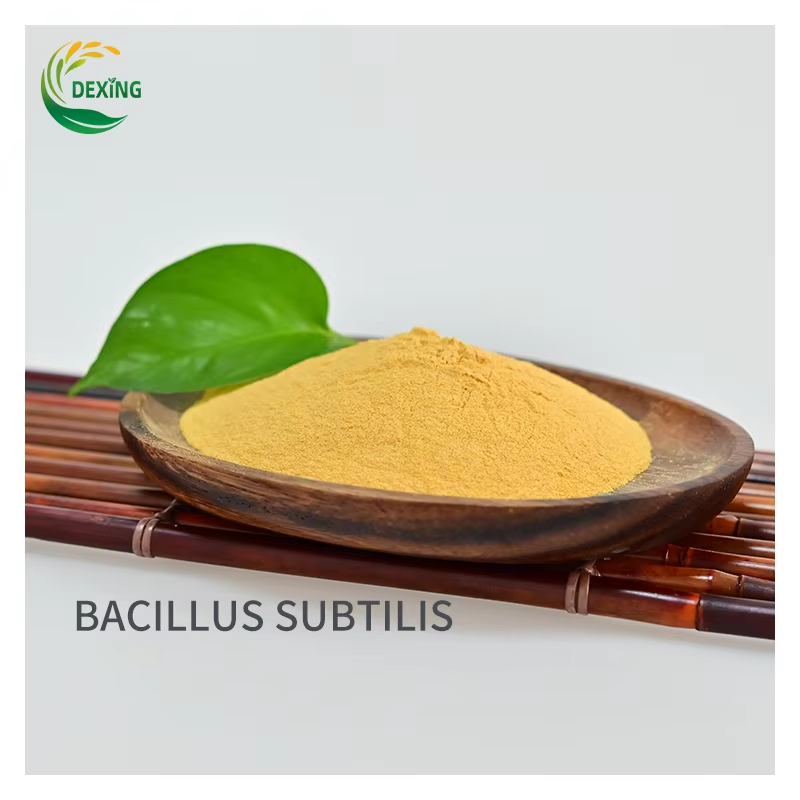
Broiler chicks given Bacillus subtilis probiotics in starter feeds achieved 12% greater weight gain by day 21 compared to controls, according to a recent field trial. The probiotics enhanced gut microbiota diversity and reduced E. coli colonization by 34%, offering critical advantages during rapid early growth phases.
Immune Support in Swine Using Phytogens During Stress Periods
Weaning and heat stress suppress immunity in pigs, increasing vulnerability to disease. Oregano-based phytogens reduced post-weaning diarrhea incidents by 28% in a 2022 trial, while rosemary extracts lowered cortisol levels by 19%. These plant-derived solutions offer a natural alternative to zinc oxide, supporting compliance with tightening EU regulations on synthetic additives.
Evaluating Additive Quality, Safety, and Efficacy
Regulatory Compliance and Safety Standards for Feed Additives
Before getting approved for use, feed additives go through pretty thorough safety checks that can take years to complete. Take the EU's decision from 2021 to stop using zinc oxide in pig feed as an example. That move shows how regulations are changing to put more emphasis on both animal health and protecting our environment. Most commercially available additives these days have either AAFCO or EFSA certification behind them. These certifications mean there's actual science supporting what manufacturers claim about their products effectiveness, plus they set clear boundaries for harmful substances that might be present.
Natural vs. Synthetic Additives: Benefits and Controversies in Sustainable Farming
According to a recent 2023 study from the International Feed Industry Federation, around 60 percent of poultry farmers are turning toward plant based additives such as oregano extract because they work against microbes naturally. However many still find synthetic alternatives offer better control over pathogens consistently. Some folks in the industry worry that relying too much on synthetic products might lead to resistant strains down the road. On the flip side, those who support these chemical solutions point out that they help feed expanding animal populations worldwide as demand for meat proteins keeps rising. The debate continues between what's safer versus what's more practical for large scale operations right now.
Combining Additives for Synergistic Performance and Stability
When mixing different additives together, compatibility testing really matters for good results. Take a look at what happened when farmers combined organic acids with probiotics in their feed formulations. Broiler chickens grew about 12 percent faster than those getting just one additive alone according to a study published in the Journal of Animal Science back in 2022. Stability is another big concern though. The acid levels need to be just right so beneficial bacteria like Bacillus subtilis can actually survive passing through the bird's stomach. And then there's the heat factor too. Many feed processing operations run pelleting machines well above 80 degrees Celsius, which can destroy sensitive ingredients if they aren't properly protected during manufacturing.
Assessing Cost-Effectiveness and ROI of Feed Additives
Evaluating Economic Returns From Strategic Additive Use
When looking at additives for their operations, farmers need to consider what they're spending versus what they actually get back in terms of productivity improvements like better weight gain and more efficient feed conversion. According to some recent industry data from last year, farms that implemented specific additive strategies saw their profit margins jump anywhere between 12 to almost 18 percent compared to regular farming methods. What makes these additives worth considering? Well, there are several factors working in favor. First off, vet bills tend to go down when animals stay healthier. Plus, livestock grow at more consistent rates across the board, which is a big deal during processing time. And let's not forget about all that wasted feed getting cut back significantly too.
Data Point: ROI Improvement of 15–20% With Enzyme Supplementation (FAO, 2022)
The UN Food and Agriculture Organization reports that enzyme additives enhance ROI by improving nutrient absorption, with poultry farms achieving 4.3% better feed efficiency per dollar invested. Recent trials confirm that combining enzymes with probiotics produces synergistic benefits—resulting in 22% faster broiler growth cycles and a 34% reduction in antibiotic use.
Frequently Asked Questions
What are common types of feed additives used in modern farming?
Common feed additives in modern farming include probiotics, prebiotics, exogenous enzymes, phytogens, organic acids, essential amino acids, vitamins, and minerals. Each serves specific functions such as enhancing digestion, improving immune health, or reducing pathogen load.
How do feed additives improve livestock productivity?
Feed additives boost livestock productivity by improving feed digestion, enhancing nutrient absorption, fortifying immune responses, and reducing the prevalence of harmful bacteria. These improvements collectively lead to faster growth rates, better disease resistance, and higher quality livestock produce.
Are natural feed additives better than synthetic ones?
The choice between natural and synthetic feed additives depends on specific needs and preferences. Natural additives, like plant-based compounds, are often preferred for their sustainability and lower environmental impact, while synthetic ones may provide consistent pathogen control. Both types have their advantages and choosing the right one often involves balancing efficacy with safety concerns.
Why is there an increasing reliance on feed additives in agriculture?
There is an increasing reliance on feed additives due to rising global meat consumption and the need to maximize productivity without resorting to antibiotics. Additives help farms meet demand while adhering to environmental and health regulations.
Table of Contents
- Understanding the Role of Additives in Modern Farming
-
Key Types of Feed Additives and Their Functions
- Probiotics and prebiotics for microbial balance in animal feed
- Exogenous enzymes to improve nutrient digestion and feed efficiency
- Phytogens and plant-based compounds as natural additives
- Organic acids for gut health and pathogen control
- Essential amino acids, vitamins, and minerals in animal nutrition
- Matching Additives to Livestock Species and Growth Stages
- Evaluating Additive Quality, Safety, and Efficacy
- Assessing Cost-Effectiveness and ROI of Feed Additives
- Frequently Asked Questions