
 EN
EN
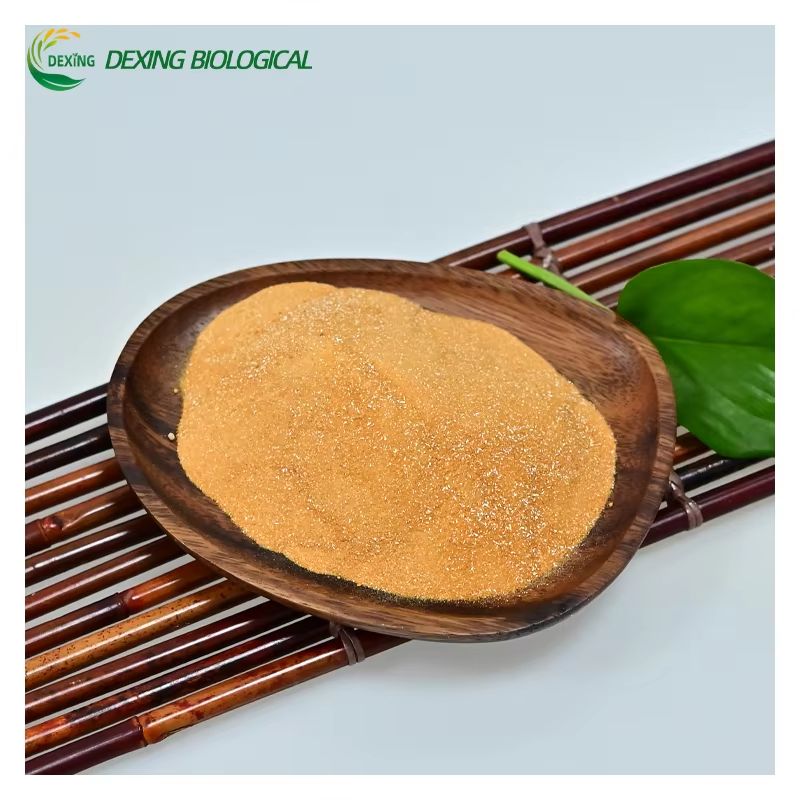
Improving Nutrient Use Efficiency with Agricultural Additives
Understanding nutrient use efficiency (NUE) in crops
Nutrient use efficiency, or NUE for short, basically tells us how well plants take in and make use of the fertilizer we apply. Around the world, most crops only manage to grab hold of about half the nitrogen they're given. What happens to the rest? Well, it either washes away into waterways or turns into those pesky greenhouse gases that contribute so much to climate change problems. Getting better at this whole NUE thing means matching when nutrients become available to what the plants actually need at different growth stages. Farmers also have to deal with all sorts of soil conditions that vary from field to field. Agronomists have been pointing this out for years now, but making real improvements remains a challenge across many farming operations.
How additives improve fertilizer use efficiency and reduce losses
Additives like nitrification inhibitors and polymer coatings reduce nutrient losses by 20–35% under field conditions. These technologies modulate release patterns—urease inhibitors delay urea hydrolysis by 8–10 days, minimizing ammonia volatilization, while sulfur-coated fertilizers extend potassium availability during critical growth stages.
Impact of additives on nitrogen, phosphorus, and potassium uptake
| Nutrient | Additive Type | Efficiency Gain | Mechanism |
|---|---|---|---|
| Nitrogen | Stabilizers | 28–40% | Reduce leaching/volatilization |
| Phosphorus | Solubilizers | 18–22% | Counteract soil fixation |
| Potassium | Encapsulation | 15–20% | Prevent leaching in sandy soils |
Data insights: NUE improvements from field trials with enhanced efficiency fertilizers
A three-year rice paddy study using additive-treated urea showed a 35% increase in NUE and a 12% yield gain. Economic analyses indicate farmers can save $38 per acre through reduced fertilizer inputs and higher productivity.
Controlled-Release Fertilization Through Advanced Additive Technologies
Mechanisms Behind Controlled-Release and Slow-Release Fertilizers
Controlled release fertilizers, or CRFs for short, work differently than regular fertilizers because they have special coatings made of polymers and sometimes contain enzyme inhibitors too. What these things do is basically act as barriers that make the fertilizer dissolve more slowly over time. This helps match when plants actually need nutrients instead of all at once. Take polymer coated granules for example. They let out nitrogen bit by bit through tiny pores in their surface. The process gets going when there's moisture around and the right kind of temperature conditions. According to some studies done back in 2021 by Lawrencia and others, farmers who switch to CRFs see about a 37 to 52 percent drop in nitrogen running off into groundwater compared with traditional fertilizers. That means better nutrient uptake by crops and less pollution ending up in our waterways.
Extended Nutrient Release via Polymer Coatings and Inhibitors
New coating technologies that mix organic and inorganic components, like starch polymers combined with silica, can keep nutrients releasing over periods ranging from 60 to 180 days. These coatings work hand in hand with nitrification inhibitors which stop bacteria from turning ammonium into nitrate too quickly, thus keeping nitrogen available longer for plants. Research published last year in Particuology looked at sulfur coated urea mixed with these inhibitors and saw pretty impressive results. After twelve weeks in the soil, they measured around 68% nitrogen still hanging around, which means crops absorbed twice as much compared to traditional methods when it comes to cereal grains.
Case Study: Yield Increases in Maize Using Sulfur-Coated Urea With Nitrification Inhibitors
In a recent field test conducted in 2025, researchers looked at what happens when they apply sulfur coated urea combined with dicyandiamide inhibitors to maize growing in loamy soil conditions. The results were pretty impressive actually. Fields treated with this combination produced around 9.2 tons per hectare while the control fields only managed 7.1 tons per hectare. That's basically a 28 percent boost in yield. Plus, nitrogen use efficiency went up by 22 percent too. Another interesting finding was that nitrate leaching decreased significantly by about 41 percent when compared to regular uncoated urea according to research published by Ali and colleagues last year. These kinds of additives really do seem to offer something valuable for modern agriculture where we need to balance getting good crop yields without harming the environment so much through excessive nutrient runoff.
Enhancing Soil Health and Nutrient Dynamics with Additives
Influence of Additives on Soil Physicochemical Properties
Additives enhance soil structure by improving aggregation and porosity. Studies show treated systems increase water-holding capacity by 47% and hydraulic conductivity by 73% over conventional methods. These changes promote root development and reduce erosion risk.
| Soil Parameter | Additive-Treated Systems | Conventional Systems | Improvement |
|---|---|---|---|
| Aggregate Stability | 2.1 mm | 1.3 mm | +62% |
| Water Retention | 28% | 19% | +47% |
| Nutrient Retention | 85% | 52% | +63% |
Biochar and compost additives also boost cation exchange capacity by 30–40%, enhancing nutrient availability in precision agriculture systems.
Synergy Between Additives and Integrated Soil Fertility Management (ISFM)
When integrated with ISFM practices like crop rotation, additives increase microbial biomass by 18–22%. This synergy promotes humus formation and stabilizes soil pH between 6.2 and 6.8—optimal for nutrient uptake. Systems combining organic amendments with controlled-release additives show 20% higher nitrogen mineralization rates.
Role of Additives in Balancing Phosphorus Efficiency in Agriculture
Additives mitigate phosphorus fixation through chelation of aluminum and iron ions, pH moderation in alkaline soils, and slow-release phosphate bonding. Field data show treated soils achieve 30–35% greater phosphorus uptake in cereals, allowing up to a 40% reduction in P-fertilizer inputs in calcareous environments.
Maximizing Crop Productivity Through Additive-Enhanced Agrochemicals
Enhancing Agrochemical Effectiveness with Adjuvants and Stabilizers
Adjuvants improve herbicide and pesticide performance by enhancing droplet adhesion and reducing drift. Stabilizers preserve active ingredient integrity during storage and application—especially important in tropical climates. Research indicates surfactant additives can increase foliar absorption by 35% compared to standard formulations.
Impact of Additives on Crop Yield and Productivity Enhancement
Field trials report 12–18% higher yields with additive-enhanced nitrogen solutions due to prolonged nutrient availability during flowering and grain filling. Polymer-coated additives reduce leaching by 29% in sandy soils, directly boosting biomass and harvestable output.
Field Evidence: Increased Rice Yields with Urease Inhibitor-Treated Fertilizers
A 2022 study in the Philippines found NBPT-treated urea increased rice yields by 1.2 tons/hectare over untreated urea. The additive reduced nitrogen volatilization by 62% during monsoon floods, maintaining root-zone nitrogen levels 23% longer. Farmers achieved record harvests while cutting total fertilizer use by 18%.
Sustainability and Environmental Benefits of Fertilizer Additives
Reducing environmental impact through optimized nutrient release mechanisms
Modern additives reduce nutrient losses by 30–45% through controlled-release technologies validated in global trials. Polymer-coated urea and nitrification inhibitors slow nitrogen transformation, lowering groundwater contamination risks while sustaining 92–97% of crop yield potential. A decade-long maize study showed sulfur-coated fertilizers reduced nitrate leaching by 38% compared to conventional applications.
Balancing agricultural productivity with ecological sustainability
Additives enable an 18–22% reduction in synthetic fertilizer use without yield penalties, as seen in 74% of rice paddies using urease inhibitors (IRRI 2023). Precision nutrient management lowers agriculture’s carbon footprint by 0.6–1.2 tons CO2e/acre annually and reduces eutrophication risks in aquatic ecosystems.
Can synthetic additives support long-term soil health?
Contrary to early concerns, biodegradable polymer additives now contribute positively to soil health. Over five years, they increase soil organic carbon by 0.2–0.4%. When paired with organic inputs, these hybrids raise earthworm populations by 140% compared to conventional systems, according to European field trials.
FAQ
What is nutrient use efficiency (NUE)?
Nutrient use efficiency (NUE) measures how effectively plants absorb and utilize fertilizers. High NUE indicates efficient fertilizer usage, reducing waste and environmental impact.
How do additives improve the efficiency of fertilizers?
Additives such as nitrification inhibitors and polymer coatings slow down nutrient release and reduce nutrient losses, ensuring fertilizers are available when plants need them most.
What are controlled-release fertilizers, and how do they work?
Controlled-release fertilizers have coatings that allow nutrients to be released slowly over time, matching plant needs and reducing nutrient runoff.
Do additives have any impact on soil health?
Yes, additives can enhance soil health by improving its structure, increasing water retention, and boosting nutrient availability through better cation exchange capacity.
Are there any environmental benefits to using fertilizer additives?
Fertilizer additives can significantly reduce nutrient losses to the environment, lower groundwater contamination risks, and decrease the carbon footprint of agriculture.
Table of Contents
- Improving Nutrient Use Efficiency with Agricultural Additives
- Controlled-Release Fertilization Through Advanced Additive Technologies
- Enhancing Soil Health and Nutrient Dynamics with Additives
- Maximizing Crop Productivity Through Additive-Enhanced Agrochemicals
- Sustainability and Environmental Benefits of Fertilizer Additives
- FAQ