
 EN
EN
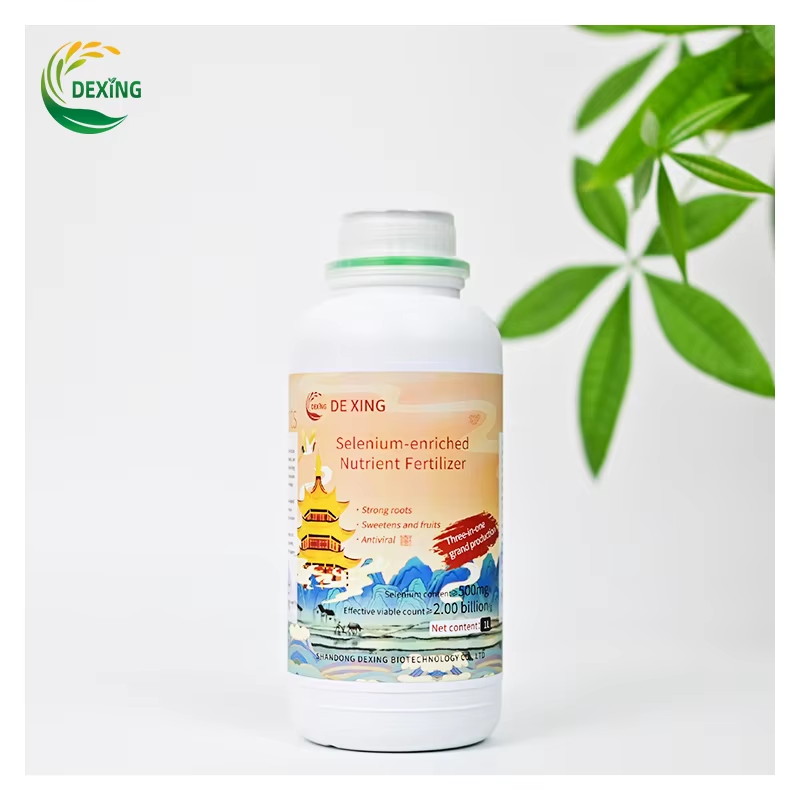
How Plant Foliar Fertilizers Enhance Natural Disease Resistance
What is Plant Foliar Fertilizer and How It Differs from Soil Fertilization
Unlike traditional soil fertilization, plant foliar fertilizers deliver nutrients directly through leaves via stomata and epidermal cells. This method bypasses soil nutrient limitations like pH imbalances or microbial competition, achieving 6-20x faster absorption for critical micronutrients (zinc, manganese, boron) during disease stress periods.
The Science Behind Foliar Fertilizers Enhancing Disease Resistance
Foliar sprays induce systemic acquired resistance (SAR) by mimicking pathogen attacks. A 2023 plant immunity study found nutrient-loaded sprays increase:
- Pathogen-recognition proteins by 40-60%
- Antioxidant enzyme (SOD, CAT) activity by 3.5x
- Lignin deposition at infection sites by 28%
These responses create a "priming effect," allowing plants to activate defenses 50% faster during actual pathogen exposure.
Key Nutrients in Foliar Application That Trigger Defense Mechanisms
Strategic nutrient combinations maximize disease resistance without overstimulating growth:
| Nutrient | Defense Role | Optimal Concentration Range |
|---|---|---|
| Zinc (Zn) | Strengthens cell walls | 0.5-2.0% |
| Manganese (Mn) | Activates PR-protein synthesis | 0.1-0.5% |
| Potassium (K) | Regulates stomatal closure | 2.0-4.0% |
| Calcium (Ca) | Signals defense gene expression | 1.5-3.0% |
Balanced formulations maintain a 2:1 Ca/K ratio to optimize stomatal control while avoiding nutrient antagonism. Excess nitrogen (>3% urea) is avoided, as it increases fungal susceptibility by 34% through excessive tender growth.
Essential Nutrients in Foliar Sprays That Activate Plant Immune Responses
Role of Zinc and Manganese in Strengthening Cell Walls and Pathogen Defense
Zinc activates enzymes responsible for lignin synthesis, thickening cell walls to physically block pathogen entry. Manganese enhances manganese peroxidase activity, neutralizing fungal toxins by 34% in controlled trials. Both nutrients trigger systemic acquired resistance (SAR), priming plants to respond faster to subsequent infections.
Calcium and Potassium Synergy in Closing Stomatal Entry Points for Pathogens
Calcium strengthens pectin layers in guard cells, while potassium maintains turgor pressure for swift stomatal closure. This synergy reduces bacterial leaf spot infections by 40% in humid environments by sealing 75% of potential entry points within 2 hours of application.
Nitrogen Balance: Avoiding Excess That Promotes Disease While Ensuring Growth
Optimal nitrogen management in foliar sprays requires maintaining 0.3–0.5% leaf concentration. Excess nitrogen increases succulent tissue vulnerable to powdery mildew by 22%, while deficiencies limit chitinase production. Split applications with amino acid chelates improve utilization efficiency by 18% compared to urea-based formulas.
Boron and Iron in Phenolic Compound Production and Oxidative Burst Response
When it comes to plant defense mechanisms, boron plays a pretty important role as sort of a building block for making those protective phytoalexins. Studies have found that applying boron at around 50 parts per million through leaves can boost phenolic compound levels by nearly 30% in plants under stress conditions. Then there's iron, which helps kickstart these ROS or Reactive Oxygen Species reactions that actually stop pathogens from spreading further. What's interesting is when seaweed extracts get mixed into the equation, the containment happens roughly three times quicker than without them. That's why many newer products on the market now incorporate stabilized Fe-EDDHA complexes instead of regular iron sources. These special formulations basically keep the iron stable until it needs to work, preventing it from getting oxidized too early before it can do its job properly.
Organic vs. Synthetic Foliar Fertilizers: Impact on Plant and System Health
How organic foliar fertilizers support beneficial microbial activity on leaf surfaces
When applied to leaves, organic foliar fertilizers actually help build up good bacteria and other microbes right on the surface of plants. A recent paper published in Scientific Reports found that these products boost the variety of microbes present, which is super important because this diversity helps fight off diseases naturally. Plants seem to respond better to threats when they have these helpful microbes around, kind of like how our gut bacteria protect us from infections. What's really interesting is how the microbes stick together to form what scientists call a biofilm. This sticky layer works almost like armor, stopping harmful fungi and bacteria from getting into the plant tissue where they could cause damage.
Reduced phytotoxicity and improved nutrient uptake efficiency with natural chelates
Natural chelates like humic acids reduce ionic stress on plant tissues while increasing nutrient absorption efficiency by 25–30% compared to synthetic salts. Organic formulations cause 60% fewer leaf burn incidents due to balanced pH and buffering capacity. Their smaller molecular size enables direct nutrient transfer through stomata without cuticle damage.
Long-term soil-plant system health: Comparing synthetic vs. organic foliar fertilizers
Synthetic foliar fertilizers definitely give plants a quick nutrient kick, but there's a downside. These products tend to lower soil pH by around half to one point every ten years or so, plus we've noticed fewer earthworms hanging around in treated areas. Going organic tells a different story though. The soil holds onto water better after switching, about 18 percent more in clay soils actually. What's really interesting is how these organic sprays seem to wake up those underground fungal connections, which helps plants survive dry spells much better. Looking at field tests from recent seasons, crops sprayed with organic solutions kept producing good yields season after season, staying within 85 to 90 percent of expected output for five straight growing periods. Compare that to fields relying solely on synthetic inputs where yields dropped off significantly, only hitting 70 to 75 percent consistency. This suggests that taking care of both soil and leaves together makes for healthier, more resilient plants in the long run.
Best Practices for Applying Liquid Foliar Fertilizer Effectively
Spray Nozzle Selection and Droplet Size Optimization for Uniform Foliar Coverage
Medium-sized droplets (150–300 microns) balance adhesion and runoff prevention, providing 40% better coverage than conventional methods. Hollow-cone nozzles outperform flat-fan designs in penetrating dense canopies, especially in tomatoes and citrus. Electrostatic sprayers improve deposition by 25–30% through charged droplets that wrap around leaves.
Importance of Adjuvants and Surfactants in Enhancing Penetration of Foliar Fertilizers
Nonionic surfactants reduce surface tension to 30–35 dynes/cm², enabling nutrients to bypass the leaf cuticle's 0.1–5 μm barrier. Humectants like glycerol maintain solution hydration for 6–8 hours post-application, which is critical for calcium uptake in apples and brassicas. A 2023 study found adjuvant-enhanced sprays increased manganese absorption by 55% in zinc-deficient soils.
Upper vs. Lower Leaf Surface Targeting: Maximizing Efficacy of Foliar Application
Although 70–80% of stomata are on lower leaf surfaces, amphistomatous crops like corn and wheat require dual-sided coverage. Trichome-dense plants such as cotton benefit from 500–700 μm droplets that adhere to hairy surfaces without coalescing. Dye tracer tests reveal underspraying lowers disease resistance activation by 33% in stone fruit orchards.
pH and Water Quality Considerations When Mixing Liquid Foliar Fertilizer
Water hardness >150 ppm CaCO₃ reduces chelated iron availability by 40–60%, necessitating acidification to pH 5.5–6.5. Reverse osmosis systems remove 98% of bicarbonates that precipitate zinc and copper solutions. In rice fields, maintaining pH 4.8–5.2 enables 90% silicic acid uptake versus 55% at neutral pH.
Timing and Frequency: When to Spray for Maximum Absorption and Disease Suppression
Early morning applications (leaf temperature 20–25°C) show 2.3x faster stomatal uptake than midday sprays, while evening treatments reduce photodegradation of B vitamins by 75%. For systemic acquired resistance (SAR), biweekly applications during critical growth phases activate defense proteins 8–10 days faster than single sprays.
Case Studies: Real-World Results of Foliar Fertilization Under Disease Pressure
Tomato Farms in Spain: Reducing Fungal Infections With Zn + Seaweed Foliar Blends
Tomato farmers in southern Spain saw their Botrytis cinerea problems drop by around 40% when they started using these special foliar blends made from seaweed enriched with zinc during the critical flowering period. What happens here is pretty interesting scientifically speaking zinc gets those antifungal proteins going, specifically things like chitinases. Meanwhile, the seaweed part boosts salicylic acid levels by roughly 22%, according to some research published back in 2017 by Colla and colleagues. A real world test conducted in 2020 showed something remarkable too farmers were able to cut down on fungicide spraying by three full applications each growing season, yet still managed to maintain their usual harvest volumes. That's quite a win for both pocketbooks and plant health.
Citrus Orchards in Florida: Managing HLB Stress Through Micronutrient-Rich Foliar Sprays
Citrus farmers across Florida have been fighting back against Huanglongbing disease by applying weekly foliar sprays with specific nutrient blends. The mix typically contains around 2.5% manganese, 1% iron, and half a percent boron. According to recent field tests conducted by USDA researchers last year, these micronutrient treatments seem to help restore proper sap flow in infected trees. Farmers saw their harvests increase by about 18%, while also noticing that fruits stayed on branches longer instead of dropping early - roughly 35% fewer losses compared to untreated groves. Timing matters a lot too. Growers who stick strictly to daily spraying schedules during active growth phases get better results. When applications lag even slightly, there's a noticeable spike in psyllid infestations. Delayed sprays let those tiny pests establish colonies much faster, sometimes as much as 72% more nymphs showing up on new shoots than when sprayed regularly.
Trend: Rise of Nano-Formulated Foliar Fertilizers for Targeted Delivery and Reduced Dosage
The latest nano-chelated fertilizers really boost how plants take in nutrients, studies show about 60% better absorption than what we've been using traditionally. Looking at some recent research from 2023, scientists noticed something interesting when they tested these new zinc oxide sprays on soybean leaves. They found that just 0.2 parts per million was enough to stop those pesky Pseudomonas bacteria, which is actually three quarters less than what farmers normally need with regular zinc sulfate solutions. Growers across Europe are starting to catch on to this technology too. About 4 out of every 10 greenhouse operators there have already switched over to these advanced delivery methods, especially for tricky crops such as basil and strawberries that tend to get sick easily.
Plant foliar fertilizer strategies demonstrate measurable improvements in crop resilience when tailored to regional pathogens and growth stages.
FAQ
What are foliar fertilizers?
Foliar fertilizers are nutrient solutions applied directly to plant leaves, allowing for faster absorption through stomata and epidermal cells, which bypasses the limitations associated with soil fertilization.
How do foliar fertilizers enhance disease resistance in plants?
By inducing systemic acquired resistance (SAR), foliar fertilizers stimulate the production of pathogen-recognition proteins, antioxidant enzymes, and lignin, which helps plants activate their defenses more quickly during pathogen exposure.
What are the key nutrients in foliar fertilizers that aid in plant defense?
Key nutrients include zinc, manganese, potassium, and calcium, each playing a specific role in strengthening cell walls, activating defense proteins, and regulating stomatal function.
What are the benefits of using organic foliar fertilizers?
Organic foliar fertilizers enhance beneficial microbial activity on leaf surfaces, reduce phytotoxicity, and improve nutrient uptake efficiency. They are also more sustainable in terms of long-term soil and plant health.
When is the best time to apply foliar fertilizers for maximum efficacy?
Applying foliar fertilizers early in the morning or in the evening offers maximum absorption benefits while minimizing nutrient degradation. Frequency and timing during critical growth phases are crucial for optimal results.
Table of Contents
- How Plant Foliar Fertilizers Enhance Natural Disease Resistance
-
Essential Nutrients in Foliar Sprays That Activate Plant Immune Responses
- Role of Zinc and Manganese in Strengthening Cell Walls and Pathogen Defense
- Calcium and Potassium Synergy in Closing Stomatal Entry Points for Pathogens
- Nitrogen Balance: Avoiding Excess That Promotes Disease While Ensuring Growth
- Boron and Iron in Phenolic Compound Production and Oxidative Burst Response
- Organic vs. Synthetic Foliar Fertilizers: Impact on Plant and System Health
-
Best Practices for Applying Liquid Foliar Fertilizer Effectively
- Spray Nozzle Selection and Droplet Size Optimization for Uniform Foliar Coverage
- Importance of Adjuvants and Surfactants in Enhancing Penetration of Foliar Fertilizers
- Upper vs. Lower Leaf Surface Targeting: Maximizing Efficacy of Foliar Application
- pH and Water Quality Considerations When Mixing Liquid Foliar Fertilizer
- Timing and Frequency: When to Spray for Maximum Absorption and Disease Suppression
- Case Studies: Real-World Results of Foliar Fertilization Under Disease Pressure
- FAQ