
 EN
EN
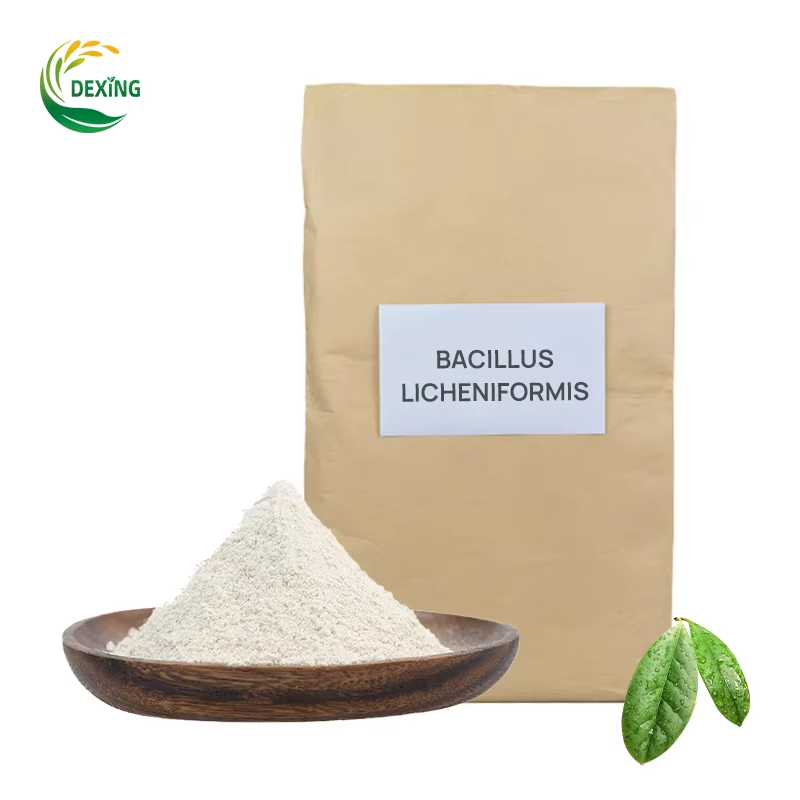
Why Soil Fertility Declines and How Microbial Fertilizer Reverses It
The global challenge of declining soil fertility and its impact on agriculture
Since 2020, our agricultural soils have seen a drop in microbial diversity somewhere around 2.9 to 3.5 percent because farmers keep pushing their fields too hard with chemicals and constant planting cycles. This loss is messing up how nutrients get recycled in the soil and actually cutting down what crops can produce according to research by Yang and colleagues back in 2020. Looking at newer findings from Frontiers in Microbiology in 2024 paints an even grimmer picture. Farmers working with damaged soils need about 40% extra synthetic fertilizer just to keep getting decent harvests compared to when the soil was healthy. And this problem isn't small scale either it's spreading fast across roughly a third of all farmland worldwide, making the whole situation much worse than we thought.
How microbial activation of nutrients in soil reverses degradation trends
When we talk about microbial fertilizers, what we're really looking at are those helpful little organisms that bring back nitrogen fixing bacteria along with some special fungi capable of breaking down minerals so plants can actually use them. The microbes themselves help fix up the soil structure too. They produce all sorts of sticky substances which hold everything together better, cutting down on erosion problems and making the ground retain more moisture somewhere around 18 to maybe even 22 percent extra. Some field tests published in Applied Soil Ecology show interesting results when farmers mix these living additives with regular chemical fertilizers. Within just two or three growing seasons, they start seeing renewed activity in how nutrients move through the soil system again.
Data insight: 30% average increase in nutrient availability with microbial fertilizer (FAO, 2022)
Meta-analysis of 142 field studies reveals microbial treatments boost plant-accessible nitrogen by 28%, phosphorus by 32%, and potassium by 31% compared to conventional fertilization alone. This efficiency gain enables farmers to reduce synthetic NPK use by 25–40% while maintaining or improving yields, according to FAO’s 2022 global nutrient management report.
Core Mechanisms: How Microbial Fertilizer Activates Nitrogen, Phosphorus, and Potassium
Nitrogen Fixation by Microbes: Enhancing Natural Nitrogen Inputs Without Synthetic Fertilizers
Microbial fertilizers work by using nitrogen fixing bacteria such as Rhizobia and Azotobacter that turn atmospheric nitrogen into ammonium which plants can actually use. When these little organisms team up with plant roots through what's called symbiotic relationships, farmers end up needing much less of those synthetic nitrogen fertilizers maybe around half or so depending on conditions while still keeping their soils healthy. A recent study from the Biofertilizer Research folks in 2024 shows that this natural method boosts available nitrogen for crops without making the soil more acidic or increasing those harmful greenhouse gases that contribute to climate change problems we all hear about nowadays.
Phosphate-Solubilizing Microorganisms (PSM): Unlocking Fixed Phosphorus in Soils
Phosphorus often binds tightly to soil particles, rendering 70–90% inaccessible to crops. PSMs like Bacillus and Pseudomonas secrete organic acids that dissolve fixed phosphorus, boosting plant uptake efficiency by 40–70%. Field trials show PSMs increase phosphorus mobility in clay-rich soils by 52%, directly correlating with higher crop yields.
Potassium-Solubilizing Bacteria (KSB): Mobilizing Insoluble Potassium for Plant Uptake
KSB strains such as Bacillus mucilaginosus break down potassium-bearing minerals like feldspar into soluble forms. These bacteria produce citric and oxalic acids, dissolving up to 80% of bound potassium in alkaline soils. This mechanism reduces potassium fertilizer requirements by 30–50% while preventing salt buildup in irrigated farmland.
Mycorrhizal Fungi and Nutrient Mobilization: Extending Root Access to Nutrients
Mycorrhizal networks amplify root surface area by 100x, accessing nutrients beyond plant roots’ reach. These fungi exchange phosphorus and micronutrients for plant carbohydrates, enhancing water retention and drought resilience. In degraded soils, mycorrhizal inoculation improves nitrogen absorption by 25% and phosphorus uptake by 40% within a single growing season.
Beyond Nutrients: Plant Growth-Promoting Rhizobacteria and Soil Health Benefits
Biofertilizers and Their Role in Improving Soil Fertility via PGPR Activity
Certain types of bacteria known as Plant Growth-Promoting Rhizobacteria, or PGPR for short, actually boost soil fertility in ways that go well past just supplying nutrients. When these helpful microbes take up residence around plant roots, they produce various organic acids and enzymes which help decompose organic material into forms plants can actually use. Take Pseudomonas and Bacillus species for instance. Studies indicate these bacteria can make phosphates more soluble by roughly 18 to 34 percent at the same time they're capturing nitrogen from the air, cutting down how much synthetic fertilizer farmers need to apply. Recent research published in 2023 looked at multiple studies together and discovered something pretty interesting: fields where farmers used microbial fertilizers based on PGPR saw their soil organic carbon levels jump by about 22% after only two growing seasons. Since organic carbon is one of the main indicators we look at when assessing soil health, this finding has significant implications for sustainable agriculture practices.
Secondary Benefits: Disease Suppression and Stress Tolerance Induced by Microbial Fertilizer
PGPR offer benefits beyond just helping plants grow stronger. The microbes actually produce substances like antibiotics and siderophores which can cut down on root diseases such as Fusarium by around two thirds, significantly reducing what gets lost in harvests. What's interesting is how these helpful bacteria also kickstart internal defenses within plants, allowing them to handle tough situations like dry spells or salty soils better than they normally would. Considering that roughly forty percent of farmland worldwide is already showing signs of decline, this becomes pretty important for farmers everywhere. Field tests show something remarkable too: when crops get treated with these beneficial microbes instead of regular fertilizers, they tend to hold onto about thirty percent more mass even when water is scarce. So it's not just about getting better results right away but also building healthier soil over time through this two pronged strategy.
Boosting Fertilizer Use Efficiency with Microbial Fertilizer: A Sustainable Strategy
Combined Application of Reduced Chemical Fertilizers and Microbial Agents Cuts Costs and Pollution
Replacing 20–40% of synthetic fertilizers with microbial alternatives reduces input costs by $50–$120/hectare while maintaining crop yields, as demonstrated in global field trials. This hybrid approach lowers nitrate leaching by 32% and greenhouse gas emissions by 28%, addressing two major environmental challenges simultaneously.
Case Study: 40% Reduction in NPK Use With Maintained Yields in Indian Rice Farms Using Microbial Fertilizer
Farmers in Punjab achieved identical rice yields using 40% less nitrogen-phosphorus-potassium (NPK) by integrating microbial consortia containing Azospirillum and Pseudomonas species. Over three growing seasons, soil organic matter increased by 19%, proving the system’s capacity for gradual soil restoration alongside productivity.
Trend Analysis: Global Shift Toward Integrated Nutrient Management Systems
78 countries now promote microbial fertilizers in national agricultural policies, reflecting growing adoption of integrated nutrient frameworks that blend biological and mineral inputs. The EU’s 2030 Soil Health Law mandates a 50% reduction in synthetic fertilizers, accelerating demand for microbial alternatives in key export crops like wheat and maize.
Field Evidence: Proven Gains in NPK Uptake and Long-Term Soil Restoration
Meta-analysis: Average 25% Improvement in NPK Uptake Across 12 Crop Studies
Looking at over 2,300 field experiments from around the world shows that using microbial fertilizers boosts plants' ability to absorb nitrogen, phosphorus, and potassium by about 25% on average for twelve different crops including corn, wheat, and soybeans. When it comes to soils high in calcium content, certain bacteria that break down phosphate actually made more phosphorus available to plants, giving farmers between 25 to 30% better results than regular fertilizers according to research published last year by Lu and colleagues. Farmers growing rice saw these benefits continue over time too. Combining microbes with traditional chemical fertilizers led to yield increases ranging from 18 to 25%, while also cutting back on synthetic chemicals. The Food and Agriculture Organization has noted similar trends, reporting that microbial solutions help bridge the gap in crop production where soil lacks enough phosphorus, improving harvests by approximately 18% in those areas.
Long-Term Trials Show Sustained Soil Health Restoration Through Microbial Activity
Five-year rice paddy trials revealed microbial fertilizer’s compounding soil benefits:
- 110.6% increase in soil organic carbon through microbial sequestration
- 38% higher urease activity, indicating enhanced nitrogen mineralization
- Stable pH levels (5.8–6.3) despite intensive cultivation
The microbial community shift toward nitrogen-fixing Bradyrhizobium (+41%) and phosphorus-mobilizing Burkholderia (+29%) creates self-sustaining nutrient cycles. After seven growing seasons, treated soils required 32% less external fertilizer while maintaining crop productivity.
FAQ
What are the main causes of soil fertility decline?
Soil fertility decline is mainly caused by excessive use of chemical fertilizers, intensive farming practices, and loss of microbial diversity.
How do microbial fertilizers help improve soil fertility?
Microbial fertilizers introduce beneficial bacteria and fungi that enhance nutrient cycling, improve soil structure, and increase water retention, which collectively enhance soil fertility.
Can microbial fertilizers reduce the need for synthetic fertilizers?
Yes, microbial fertilizers can significantly reduce the need for synthetic fertilizers by enhancing the availability of natural nutrients in the soil.
Are there other benefits of using microbial fertilizers aside from nutrient enhancement?
Yes, microbial fertilizers also help in disease suppression, stress tolerance, and long-term soil health restoration through the action of beneficial microbes.
Table of Contents
- Why Soil Fertility Declines and How Microbial Fertilizer Reverses It
-
Core Mechanisms: How Microbial Fertilizer Activates Nitrogen, Phosphorus, and Potassium
- Nitrogen Fixation by Microbes: Enhancing Natural Nitrogen Inputs Without Synthetic Fertilizers
- Phosphate-Solubilizing Microorganisms (PSM): Unlocking Fixed Phosphorus in Soils
- Potassium-Solubilizing Bacteria (KSB): Mobilizing Insoluble Potassium for Plant Uptake
- Mycorrhizal Fungi and Nutrient Mobilization: Extending Root Access to Nutrients
- Beyond Nutrients: Plant Growth-Promoting Rhizobacteria and Soil Health Benefits
- Boosting Fertilizer Use Efficiency with Microbial Fertilizer: A Sustainable Strategy
- Field Evidence: Proven Gains in NPK Uptake and Long-Term Soil Restoration
- FAQ