
 EN
EN
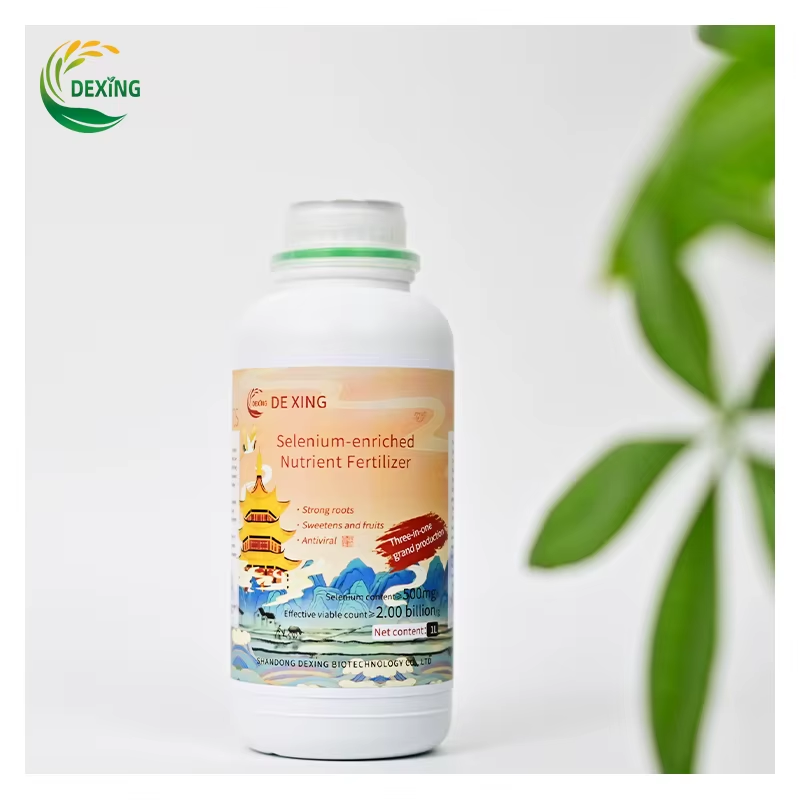
Optimizing Application Methods for Microbial Fertilizer
Matching Inoculation Technique to Crop Stage and Growing Media
Choosing the correct inoculation technique really depends on matching it with how the plant is growing and what kind of growing medium we're using. When seeds first sprout, treating them right away helps beneficial microbes get established quickly around those tiny roots before they start branching out. Transplant time calls for root dipping, particularly when working with mixes like peat perlite or coco coir. The direct contact between roots and microbes makes all the difference in getting those good guys settled in from day one. Hydroponic systems and older plants benefit most from drip applications since the microbes travel right through the water lines. But watch out with stuff like coco coir - it's so porous that too much solution just washes right through. Some actual greenhouse testing shows that applying microbes at the right growth stage boosts root mass anywhere from 20 to 30 percent over just sprinkling them on randomly throughout the season.
Comparative Efficacy of Seed Treatment, Root Dipping, and Drip-Applied Microbial Fertilizer
| Method | Colonization Speed | Labor Intensity | Suitability |
|---|---|---|---|
| Seed Treatment | 3–5 days | Low | Small-seeded crops |
| Root Dipping | 24–48 hours | Medium | Transplants |
| Drip Application | 7–10 days | Low | Established plants |
Coating seeds is generally the cheapest option when looking at cost per square foot, especially good for dense planting arrangements even though plants take longer to establish themselves initially. When growers dip roots instead, they see about a third to half faster colonization rates, but this method comes with extra work and potential damage during handling. The drip system approach gives pretty steady delivery of nutrients throughout the growing period. Tests last year showed around 12-18% better nutrient absorption in tomato plants during their fruiting phase compared to other methods. What's interesting is how all these approaches handle different soil acidity levels. Drip feeding seems to work best in tricky situations where pH fluctuates, making it reliable even when growing conditions aren't ideal.
Timing and Frequency: Ensuring Colonization Windows and Avoiding Washout
Getting microbes to work right hinges on matching their application schedule with what's happening down in the roots and how water is managed. The best time tends to be around when those tiny root hairs are growing out most actively, usually about a week or two after transplanting plants into new soil. That's when the roots start putting out these carbon rich substances that actually feed and encourage good microbes to stick around. Keep applying every other week while the plant is still growing leaves and stems, but cut back to once a month once flowers start forming so we don't mess with how pollinators interact with the blooms. Important thing to remember: don't water the area for at least several hours after applying microbes, and make sure the soil isn't too wet either, ideally keeping it under 80% moisture level. Some tests with peppers found that when people applied microbes at the same time they were giving lots of fertilizer and water, colonization rates dropped by almost a third. So coordinating all these different factors really matters if we want those helpful microbes to take hold properly.
Managing Environmental and Substrate Conditions for Microbial Fertilizer Success
Critical Moisture, Temperature, and pH Thresholds for Key Strains (Bacillus, Trichoderma, AMF)
Different groups of microorganisms work best under specific environmental conditions. For instance, most Bacillus species do well when temperatures stay around 25 to 30 degrees Celsius, with about 60% water content in the soil and a pH level between 6.5 and 7.5. Trichoderma likes similar temperatures too but handles slightly more acidic soils (around pH 5.5 to 6.5) better than other fungi. These microbes also grow faster when there's higher humidity present. Arbuscular Mycorrhizal Fungi need steady moisture levels without saturation and prefer soils with a neutral pH range of 6.0 to 7.0. When conditions move outside these ranges, colonization rates drop dramatically - sometimes by as much as 70% according to recent research from 2023 on root zone environments. The impact of temperature changes should not be underestimated either. Even small fluctuations above or below 5 degrees Celsius can wipe out active microbial populations in just two days. That's why many growers now invest in quality soil sensors for continuous monitoring instead of relying on periodic checks. Regular tracking helps maintain optimal conditions and prevents unexpected losses.
Microbial Fertilizer Activity in Organic vs. Mineral-Based Greenhouse Media
When it comes to supporting microbes, organic materials such as peat moss mixed with compost tend to keep about 40 percent more organisms alive compared to minerals like perlite or vermiculite. The reason? These organic materials contain plenty of carbon which helps sustain microbial metabolism and keeps pH levels stable over time. Mineral based growing mediums just don't offer the same kind of structural support that allows beneficial bacteria to form strong colonies. However there is one advantage worth mentioning here. When properly aerated, mineral mixes actually create less competition for introduced microbes against existing ones in the environment. For those looking to get better results from mineral substrates though,
- Maintain 3–5% organic content (e.g., humic acid or stabilized compost extract)
- Ensure even moisture distribution without compaction-induced anaerobiosis
- Stabilize pH using buffered nutrient solutions to prevent abrupt shifts from fertigation
This approach prevents washout while preserving solubilization activity.
Integrating Microbial Fertilizer with Conventional Inputs Without Compromise
Avoiding Antagonism: Pesticide and Fungicide Compatibility Guidelines
The biggest threat to microbial fertilizers comes from broad spectrum pesticides and fungicides, particularly when dealing with organisms like Bacillus, Trichoderma, and arbuscular mycorrhizal fungi (AMF). When these chemicals come into direct contact with beneficial microbes, they often wipe out living populations in just a few hours. Farmers should wait at least three days before applying any biological products after using chemicals. When working with AMF specifically, it makes sense to go for less toxic options whenever possible. Potassium bicarbonate works better than copper based fungicides because copper tends to mess up the delicate hyphal networks that help plants absorb nutrients through their roots. Before mixing anything together on the farm, check what's actually written on product labels and look for independent test results rather than just trusting what manufacturers claim in their promotional materials.
Synergistic Pairings That Enhance Nutrient Uptake and Fertilizer Efficiency
When we talk about strategic integration in agriculture, what we're really seeing is a multiplication effect on our returns. Take phosphate solubilizing bacteria working alongside rock phosphate for instance. Farmers have found that this combination boosts available phosphorus levels by around 47 percent, which means they can cut back on synthetic phosphorus inputs by roughly 20%. Similarly, when nitrogen fixing microbes are used together with legume cover crops, the need for synthetic nitrogen drops by about 30% while at the same time improving the soil's organic content. These kinds of combinations work better for roots to absorb nutrients and create healthier soils over time compared to relying solely on synthetic fertilizers. Successful farming programs don't see microbes merely as something to add to the mix. Instead, they recognize them as essential collaborators in building the whole nutrient cycle system within the soil ecosystem.
Selecting and Validating High-Performance Microbial Fertilizer Products
What really matters for successful microbial fertilizers isn't what's printed on the label but actual validation through testing. Look for products that clearly state their viable colony forming units (CFU/g) along with when they expire. The research from Sharma and colleagues back in 2023 shows that anything below about 100 million CFU per gram just doesn't get enough microbes into the rhizosphere to make much difference. When shopping around, ask suppliers if independent labs have tested how well these strains work specifically in conditions similar to our greenhouses. Pay special attention to whether they can actually break down phosphorus or form those helpful mycorrhizal connections plants need. Application instructions from vendors ought to go beyond generic advice and provide real numbers about things like how fast roots colonize, differences in nutrient absorption compared to controls, and which common chemicals might interfere with effectiveness. Before making purchases, check if there are any published studies looking at these microbes working with our particular crops grown in our media mix. Taking this extra step helps ensure that whatever we're spending money on actually meets what our plants need physiologically, saving us from expensive disappointments down the road while getting better returns on investment over time.
FAQ
What are the best inoculation techniques for microbial fertilizers?
Inoculation techniques should match the crop stage and growing media. Seed treatment works well for small-seeded crops, root dipping for transplants, and drip application for established plants.
How does growing media affect the efficacy of microbial fertilizers?
Organic materials support more microorganisms than mineral-based media due to their carbon content. However, properly aerated mineral mixes can reduce competition from existing microbes.
What environmental conditions are optimal for microbial fertilizers?
Different microbial strains have specific requirements. For example, Bacillus thrives at 25-30°C with 60% soil water content and pH 6.5-7.5, while Trichoderma prefers slightly more acidic soils and high humidity.
How should microbial fertilizers be integrated with conventional farming inputs?
Avoid using broad-spectrum pesticides and fungicides within three days of applying microbial fertilizers. Opt for less toxic options like potassium bicarbonate to enhance compatibility.