
 EN
EN
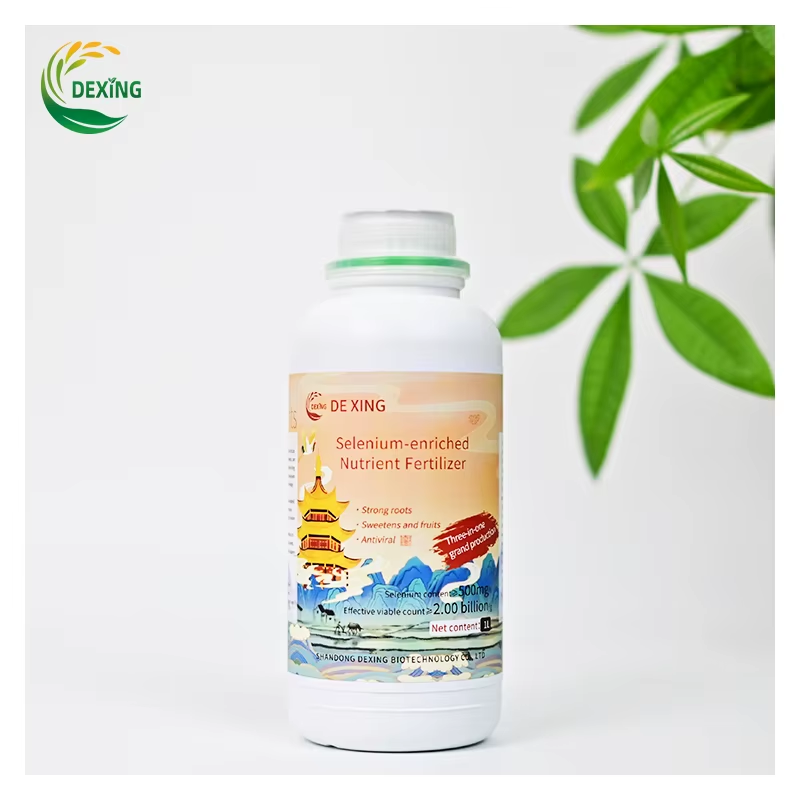
Fermented Fertilizer Restores and Diversifies Soil Microbial Life
How fermentation primes beneficial microbes for soil colonization
Fermentation pre-activates essential microorganisms before they enter the soil, significantly enhancing their survival and colonization rates. These primed microbes rapidly establish symbiotic relationships with plant roots and form protective biofilms that boost nutrient cycling efficiency from day one. Research shows fermented fertilizer application increases beneficial bacteria populations by 137% (Springer 2025).
Shifts in bacterial:fungal ratios and keystone taxa under fermented fertilizer use
Long-term use restores soil biome balance—mycorrhizal fungi surge 89% after just one growing season (Springer 2025), shifting bacterial:fungal ratios toward those found in undisturbed ecosystems. Keystone taxa like phosphorus-solubilizing and nitrogen-fixing bacteria multiply significantly, reducing synthetic fertilizer dependence. These shifts foster self-sustaining nutrient cycles that conventional amendments cannot replicate.
Fermented Fertilizer Builds Resilient Soil Structure and Water Retention
When applied to soil, fermented fertilizer actually changes how the ground is structured, making it better at holding together and creating spaces for air and water. The good bacteria in these fertilizers produce sticky substances like polysaccharides and something called glomalin that help soil particles stick together into little clumps or crumbs. According to Regenerative Ag Data, this process boosts water getting into the soil by about 31% and cuts down on those annoying crusty surfaces we often see after rain. What's really interesting is that the carbon left behind during fermentation forms kind of permanent moisture storage areas within the soil itself. Some field tests conducted recently showed farmers saw their soil hold onto water 18% longer when they kept using this type of fertilizer regularly (as reported in MDPI Trials 2024). There are several important advantages worth mentioning here:
- Erosion control: Aggregate formation slashes soil loss by 40% on slopes
- Drought resilience: Enhanced porosity enables roots to access deeper water reserves
- Organic matter accumulation: Continuous use builds soil carbon by 22% over three years (Springer 2025)
The resulting sponge-like matrix buffers crops against flooding and drought while supporting optimal root oxygenation—outperforming mechanical tillage through biologically sustained regeneration.
Fermented Fertilizer Optimizes Nutrient Availability Through Biological Activation
Pre-digested nutrients and organic acids enhance root uptake efficiency
When it comes to breaking down those complex organic materials into something plants can actually use, fermentation does some serious work through what microbes do metabolically. Research from 2021 shows this process makes nutrients about 42% more soluble than regular old composting methods. What happens is pretty interesting too the fermentation creates things like lactic acid and acetic acid which grab onto minerals and unlock nutrients that would otherwise stay stuck. The results? Plants tend to pull in around 30% extra phosphorus and about 25% more potassium when they're working with these fermented amendments instead of just raw materials. Why? Because those little microbial byproducts actually form ions that plant roots can take in directly, no need for all that extra energy conversion work that plants normally have to do themselves.
Fermented Fertilizer Drives Soil Multifunctionality via Enzyme Stimulation
Urease, β-glucosidase, and phosphatase activity as indicators of functional recovery
When applied to soil, fermented fertilizer gets those important enzymes working overtime, which helps break down organic matter and cycle nutrients through the system. Take urease for instance it speeds up how nitrogen becomes available to plants. Then there's beta glucosidase that actually frees up carbon locked in plant material like cellulose. And let's not forget about phosphatase, which makes phosphorus accessible after being stuck in the soil. Soils treated with this stuff typically have around 40% more enzyme activity compared to what happens when synthetic fertilizers are used instead. Looking at these enzyme levels gives farmers real proof about how healthy their soil is getting. Higher urease means better nitrogen management, increased beta glucosidase points to improved carbon processing, while strong phosphatase activity indicates effective phosphorus release. All this extra enzyme action speeds up decomposition processes, creating natural cycles that need fewer outside additives and build stronger ecosystems over time.
FAQ
What is fermented fertilizer?
Fermented fertilizer is a type of organic fertilizer that uses fermentation processes to break down organic matter, enhancing the soil's microbial life and nutrient availability.
How does fermented fertilizer benefit soil structure?
It changes soil structure by improving water retention and aggregate formation, reducing erosion and enhancing drought resilience.
What are the effects of fermented fertilizer on plant nutrient uptake?
It makes nutrients more soluble, improving plant uptake of phosphorus and potassium and reducing the plant's energy needed for nutrient conversion.
Table of Contents
- Fermented Fertilizer Restores and Diversifies Soil Microbial Life
- Fermented Fertilizer Builds Resilient Soil Structure and Water Retention
- Fermented Fertilizer Optimizes Nutrient Availability Through Biological Activation
- Fermented Fertilizer Drives Soil Multifunctionality via Enzyme Stimulation
- FAQ