When leaves start turning yellow because they can't make enough chlorophyll, it's usually a sign something isn't right with the plant. Research published last year in Microbial Cell Factories showed plants lacking nitrogen produce about 40 percent less green pigment after just two weeks. Gardeners need to watch for this early warning sign since yellow leaves typically come before plants stop growing properly and crop yields drop off. Catching these symptoms early makes all the difference for saving struggling plants.
Six essential nutrients are vital for chlorophyll production and photosynthesis:
Looking at 150 commercial farms in 2024, researchers found that nearly two thirds (about 68%) of tomato plants showing yellowing symptoms had zinc deficiencies. Citrus growers faced similar issues with almost half (around 54%) of their trees suffering from low iron levels. These days, field scouts carry around those handy XRF scanners to check what's going on inside plant tissues. When they spot readings falling below what experts consider safe levels like under 15 parts per million zinc in tomato leaves, they know it's time to take some action. This kind of real time monitoring helps farmers address problems before they become major headaches down the line.
Combining soil pH tests with leaf tissue analysis identifies 92% of nutrient deficiencies before visible symptoms emerge. Key diagnostic thresholds include:
| Nutrient | Critical Leaf Level |
|---|---|
| Iron | <2.5% |
| Zinc | <20 ppm |
This proactive approach enables precise interventions, preventing widespread chlorosis.
Sometimes environmental issues look just like nutrient problems when it comes to plant health. Studies indicate that when plants don't get enough light over time, their leaves tend to be about 30 percent thinner and have less chlorophyll overall. Waterlogged soil is another tricky situation. When roots sit in too much moisture, they struggle to absorb iron properly because there's not enough oxygen getting to them, cutting down iron uptake by nearly 60 percent. Getting to the bottom of what's actually wrong means being able to tell apart these non-nutrient related stressors from real mineral deficiencies. Gardeners and growers need to check both how plants look visually and run actual tissue tests to make sure they're addressing the right problem in the first place.
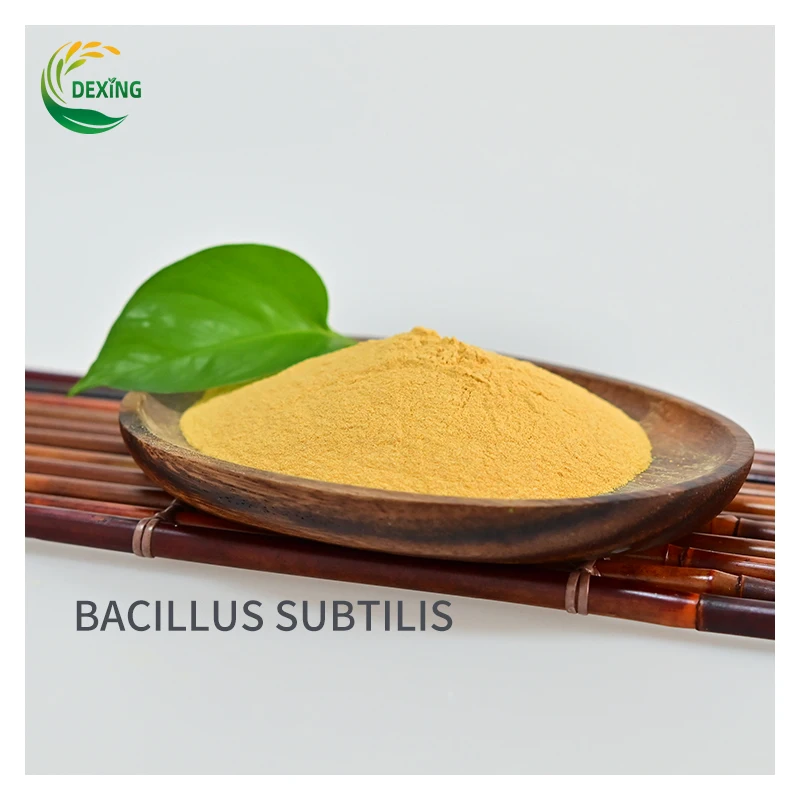
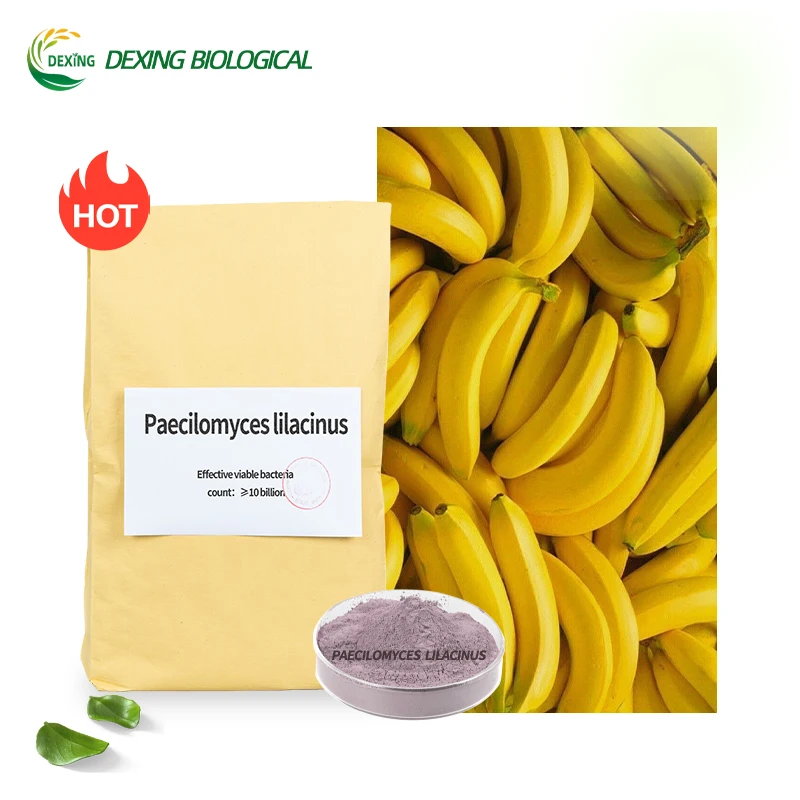
The tiny organisms present in organic fertilizers actually change those hard-to-reach minerals in soil so plants can absorb them better. For instance, certain bacteria fix nitrogen from air and turn it into ammonium compounds, whereas other types of microbes work on releasing phosphorus that's stuck in the ground. According to research published last year in Frontiers in Plant Science, when farmers use these microbe-rich fertilizers instead of regular ones, they see about a 27 percent boost in available zinc for crops. What's interesting too is that these little life forms generate various organic acids which help break down important trace elements such as iron and magnesium. Getting enough of these nutrients is really important because without them, plants often develop yellow spots between their leaf veins.
Rhizobacteria and mycorrhizal fungi form symbiotic relationships with roots, extending their reach into the soil. Mycorrhizal networks improve nitrogen absorption efficiency by 40% in low-fertility soils, while rhizobacteria secrete siderophores that chelate iron for direct uptake. Trials with legumes showed these microbes reduced zinc deficiency symptoms by 68% within 30 days.
Field studies across 12 agricultural zones showed microbial-enhanced fertilizers reduced visible chlorosis by 53% in maize and 61% in citrus compared to untreated plots. In one trial, tomato crops treated with Azotobacter-enriched compost maintained 89% greener foliage despite magnesium-limited soils.
Microbial performance depends on soil conditions: optimal pH ranges from 5.8-7.2, organic matter should exceed 2%, and adequate moisture is essential. Cool, waterlogged soils reduce bacterial activity by up to 70%, while alkaline conditions (pH >8) inhibit iron-solubilizing fungi. Soil testing before application ensures maximum microbial effectiveness.
For plants suffering from nutrient deficiencies, compost, fish emulsion, and seaweed extracts form some of the best organic options available. Let's start with compost first. It gives plants a good balance of nitrogen, phosphorus, and potassium while also making the soil better overall. According to research published in Nature, regular compost application can boost soil organic carbon content by around 19%, which helps keep those green leaves green through better chlorophyll production. Then there's fish emulsion, which works quickly because it contains readily available nitrogen. Gardeners have noticed that leafy greens treated with fish emulsion show improvement from yellowing symptoms about 30% faster compared to synthetic fertilizers tested under similar conditions. Lastly, seaweed extracts contain important minerals like iron and zinc plus special plant hormones called cytokinins. These components help produce pigments in plants and field tests showed they cut down on that ugly yellowing between citrus leaves by roughly 40% when gardeners apply them every two weeks.
Using organic fertilizers helps keep leaves healthy over time because they break down slowly in the soil. Synthetic fertilizers tend to wash away easily, but organic ones give plants what they need when they actually need it. According to research published in Frontiers in Microbiology that looked at around 220 different studies, gardens with compost added had about 22 percent more available magnesium after half a year. Magnesium is really important stuff for keeping older leaves from turning yellow and dying off. The fact that these natural fertilizers release their goodness gradually means the soil stays balanced in terms of acidity levels too. Gardeners don't have to apply them as often either, which saves both time and money in the long run.
While organic fertilizers offer 68% longer-lasting benefits than synthetics, their effects unfold over weeks. Blending fast-acting fish emulsion (visible greening in 5-7 days) with slow-release compost meets both organic standards and commercial timelines. In tomato trials, this combination reduced recurring sulfur deficiencies by 54% over two seasons, aligning sustainability with productivity.
When sprayed on leaves, these fertilizers can actually fix yellowing caused by nutrient deficiency pretty quickly, usually showing results in just one or two days because they get absorbed right through the tiny pores in the leaf surface. Compared to putting nutrients into the soil, foliar feeding works about three to five times faster according to recent research (Anil wrote about this in 2023 if anyone cares). Plants tend to take in around 80 to 90 percent of the iron or zinc we apply within just two days when using this method. What makes this approach so useful is that it doesn't rely on healthy soil conditions. Even if there's a problem with soil pH levels or roots aren't functioning properly, the nutrients still go straight to where they're needed most.
Foliar sprays efficiently address micronutrient gaps by entering plant tissues directly. Chelated iron applied foliarly boosts chlorophyll production by 40% compared to soil drenches, especially in high-pH soils (MDPI, 2023). Zinc sulfate sprays restored normal leaf color in 92% of test plants within 72 hours under controlled conditions.
A commercial rose grower eliminated interveinal yellowing by applying 0.5% iron-EDTA sprays every 10 days. Leaf analysis confirmed iron levels rose from 35 ppm (deficient) to 85 ppm (optimal) after three applications, with full canopy recovery achieved in six weeks.
Nano-encapsulation extends nutrient availability from 3-5 days to up to 14 by slowing droplet evaporation. These microemulsions also reduce phytotoxicity risk by 60% through controlled release, enhancing safety and efficacy.
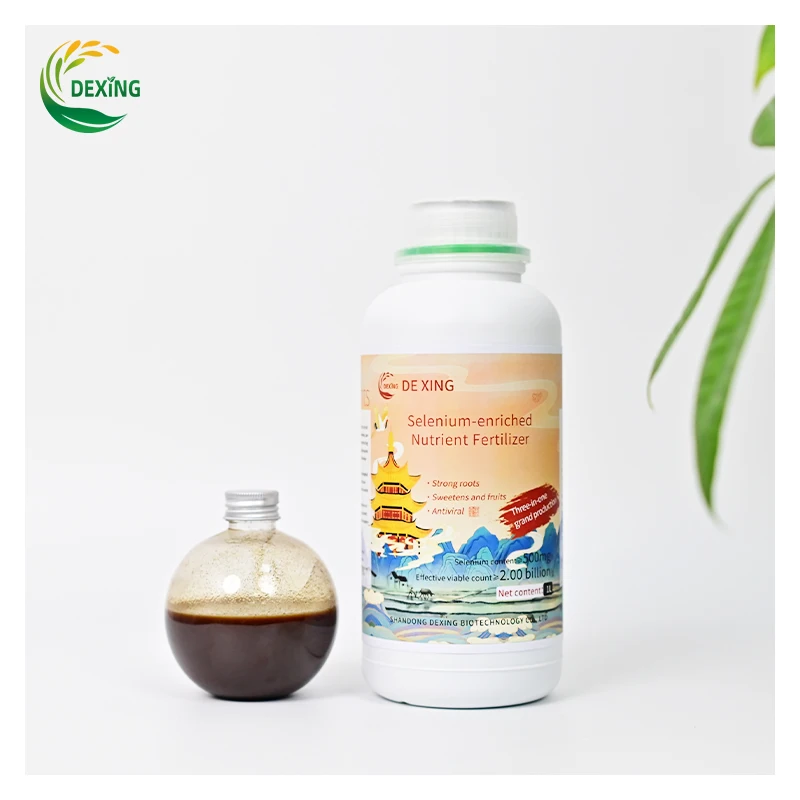
Combining organic fertilizers enriched with rhizobacteria along with foliar sprays containing micronutrients offers a two pronged approach to treating plant chlorosis. The beneficial soil microbes including mycorrhizal fungi work their magic below ground by helping plants absorb more nitrogen and iron through their roots. At the same time, those leaf sprays get essential nutrients like zinc and magnesium right where they're needed most on the struggling foliage. According to recent studies, this combined method boosts iron absorption rates by around 42 percent when compared to just using soil amendments alone. Field tests conducted last year showed promising results too. Tomato plants that received both microbial treatments and magnesium foliar applications saw their yellowing between leaf veins disappear approximately 12 days quicker than plants getting regular fertilizers.
Integrated approaches accelerate plant recovery and boost yields:
| Treatment System | Chlorosis Resolution Time | Yield Improvement |
|---|---|---|
| Microbial agents + foliar feed | 14 days | 28% |
| Chemical fertilizers only | 22 days | 12% |
The 68 percent speed boost comes mainly from better soil conditions driven by microbes plus quick fixes applied directly to leaves. Field tests on citrus trees suffering from iron deficiency revealed something interesting - farmers wasted around 70% less fertilizer when they paired special mixtures of beneficial microbes with focused spray treatments. The reason? Those helpful fungi hanging out near roots actually made iron much more available in the soil, boosting solubility levels nearly twentyfold compared to conventional methods. Many growers have noticed their plants aren't getting those yellowing problems so often anymore either. One grower mentioned seeing about 35% fewer cases of recurring leaf discoloration throughout each growing season since switching to this approach, probably because the soil now holds onto important nutrients much better than before.
Leaf yellowing, or chlorosis, is often caused by a lack of essential nutrients such as nitrogen, iron, and zinc needed for chlorophyll production. Environmental stressors like poor light and waterlogged soil can also contribute.
Nutrient deficiencies can often be diagnosed using soil testing and leaf tissue analysis. This helps in detecting problems before visible symptoms appear, allowing for timely interventions.
Yes, organic fertilizers like compost, fish emulsion, and seaweed extracts can be effective in treating nutrient deficiencies. They provide a balanced nutrient release and improve overall soil health.
Microbial agents in organic fertilizers help convert hard-to-reach nutrients into forms that plants can absorb, improving nutrient uptake and reducing chlorosis.
Foliar sprays provide a rapid response to nutrient deficiencies by allowing direct absorption through leaves, bypassing soil issues. They are especially effective in environments with high soil pH or poor root function.
 Hot News
2025-04-02
2025-04-02
2026-02-05
2026-01-05
2025-12-02
2025-11-03

Shandong Dexing Biotechnology specializes in microbial fertilizers, organic agriculture solutions, and biotechnology products. With 35 years of experience, we offer advanced soil improvement, plant health, and yield optimization technologies for sustainable farming.
507, Building 1, Jinyu International, No. 2309 Bohai Road, Jincheng Community, Xincheng Street, Weifang High tech Zone, Shandong Province
Copyright © 2025 by Shandong Dexing Biotechnology Co., Ltd Privacy Policy
 EN
EN