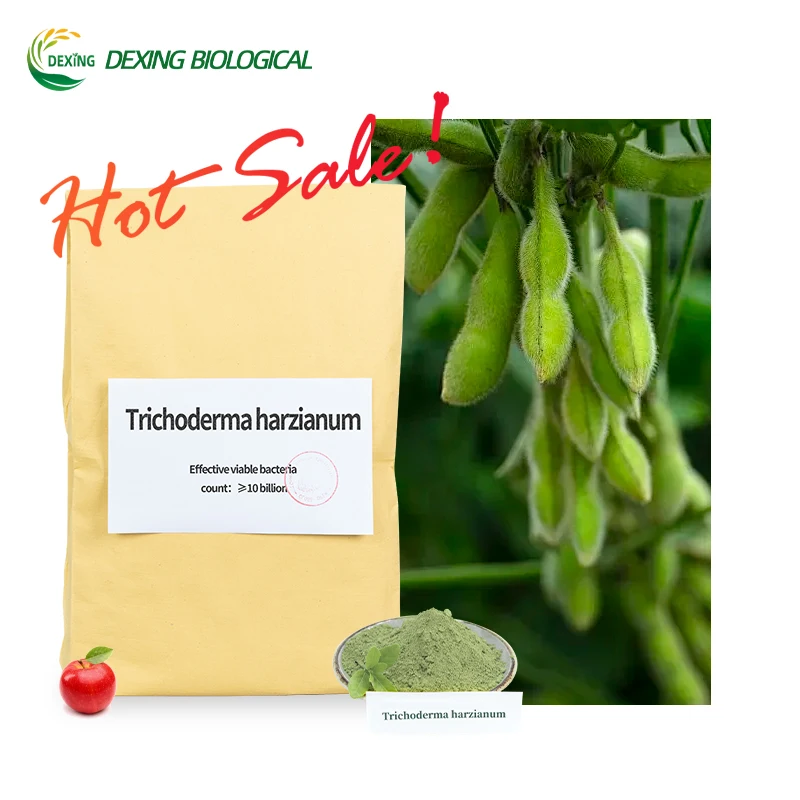
There's this big gap between what crops could produce and what they actually do produce, and it's putting food security at risk worldwide. Look at places like Sub-Saharan Africa where farmers are getting only about a third of what their land should be able to deliver in terms of maize harvests. Weather extremes, poor soil quality, and how we manage resources all contribute to this problem. Traditional farming methods aren't helping much either; they tend to drain water supplies and damage ecosystems further. That's where agricultural additives come into play as real solutions for making farms work better without harming the environment. Take humic substances for example these can boost the tiny organisms living near roots and apparently help plants absorb nutrients around 15 to maybe even 30 percent more effectively in worn out soils. Certain formulas also protect crops when there's not enough rain by balancing hormone levels inside plants which supports the idea of getting more food with less water. With climate change becoming harder to ignore day by day, using specific additives isn't just smart anymore it has become absolutely necessary if we want to shift agriculture away from being wasteful toward something more precise and balanced ecologically speaking.
Soil health gets a real boost from agricultural additives, especially those containing humic substances. These materials work wonders for the root zone by making nutrients more soluble and helping soil particles stick together better. The organic compounds in these additives create an environment where microbes can thrive. Beneficial bacteria and fungi start breaking down nutrients that plants normally can't access, and they also make substances that help plants grow stronger. Real world testing shows pretty impressive results too. Root systems often grow about 30% larger when these additives are used, and plants absorb nutrients about 25% more efficiently. This means farmers need less fertilizer over time, and the soil holds water better no matter what kind of dirt they're working with.
Certain additives help plants handle environmental stress better by affecting how abscisic acid works in their systems and boosting their ability to fight off harmful substances. When there's not enough water around or when soil gets too salty, these additives work on closing the tiny pores in leaves just right so the plant doesn't lose too much moisture. At the same time, they kickstart enzymes such as superoxide dismutase which go to work cleaning up those pesky reactive oxygen species that can really mess up cells inside the plant. Studies show something interesting happens too. Plants given these treatments keep about 89 percent of their normal photosynthesis going even when things get tough, whereas regular plants without treatment drop down to only 63 percent efficiency. What makes this approach special is that it doesn't try to eliminate stress altogether. Instead, it helps plants adjust naturally to harsh conditions we see more often because of changing climates.
Testing in Iowa cornfields from 2021 through 2023 showed that mixing chelated zinc and manganese with Ascophyllum nodosum seaweed extract led to better yields. Farmers saw an average boost of about 12.7 percent, which translates to roughly 28 extra bushels per acre over those three years. What makes this combination work so well is how it helps plants absorb nutrients at key times, especially during silking and when filling grains. This not only makes photosynthesis more efficient but also helps crops handle stress better when rainfall patterns get unpredictable. For Iowa farmers dealing with increasingly erratic weather patterns, this kind of improvement can make a real difference in their bottom line.
Farmers in parts of Kansas and Nebraska saw something interesting happen during last year's brutal drought conditions when rain fell around 40% short of normal levels. Fields treated with polymer soil amendments and special amino acid mixtures showed better results than expected. Wheat yields went up about 8% while soybeans increased nearly 10%. What makes this noteworthy? These products helped hold moisture longer in those sandy soils and somehow kickstarted natural defenses against plant stress, cutting down on cellular damage by roughly a third compared to regular fields. As weather patterns become more unpredictable across the Midwest, these kinds of soil treatments might just offer farmers a reliable alternative when traditional farming methods struggle under extreme conditions.
Effective additive selection depends on precise alignment with three site-specific factors:
Ignoring these parameters risks inefficacy—and cost. Applying pH-sensitive phosphorus stabilizers in alkaline soils, for example, wastes $18–$42/acre (Agronomy Journal, 2023). Soil testing remains the non-negotiable first step in designing any additive program.
What are agricultural additives?
Agricultural additives are substances added to crops to enhance their growth, nutrient absorption, and stress resilience without harming the environment. Examples include humic substances, chelated micronutrients, and seaweed extracts.
Why is there a yield gap in some regions?
The yield gap arises from factors such as weather extremes, poor soil quality, and inefficient resource management. Agricultural additives can help bridge this gap by improving soil health and crop efficiency.
How do additives help crops under drought conditions?
Additives like polymer soil amendments and amino acid mixtures can enhance moisture retention and activate natural defenses against stress, improving crop resilience during droughts.
 Hot News
2025-04-02
2025-04-02
2026-02-05
2026-01-05
2025-12-02
2025-11-03

Shandong Dexing Biotechnology specializes in microbial fertilizers, organic agriculture solutions, and biotechnology products. With 35 years of experience, we offer advanced soil improvement, plant health, and yield optimization technologies for sustainable farming.
507, Building 1, Jinyu International, No. 2309 Bohai Road, Jincheng Community, Xincheng Street, Weifang High tech Zone, Shandong Province
Copyright © 2025 by Shandong Dexing Biotechnology Co., Ltd Privacy Policy
 EN
EN