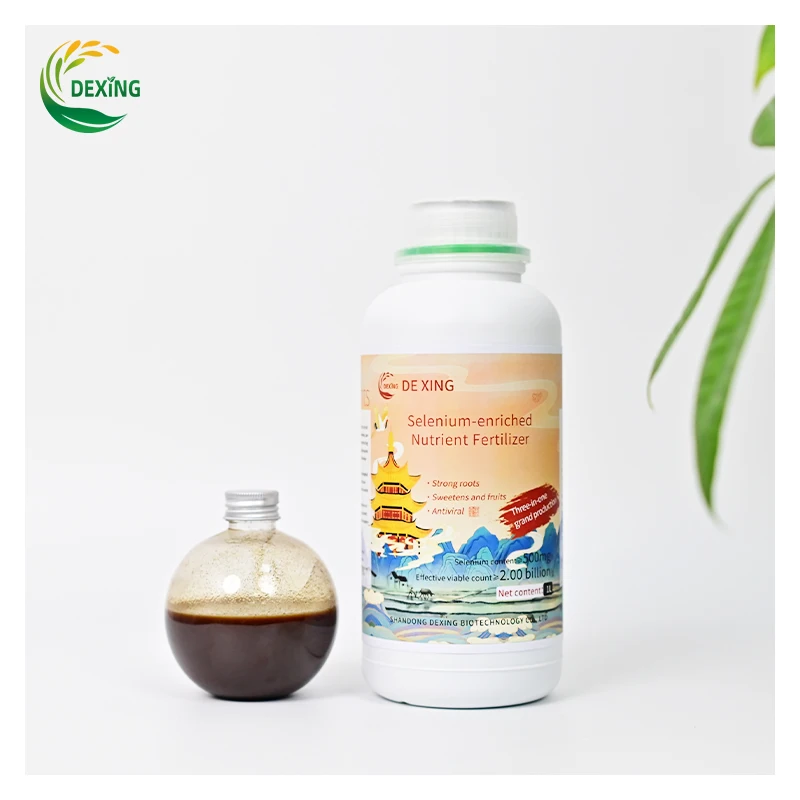
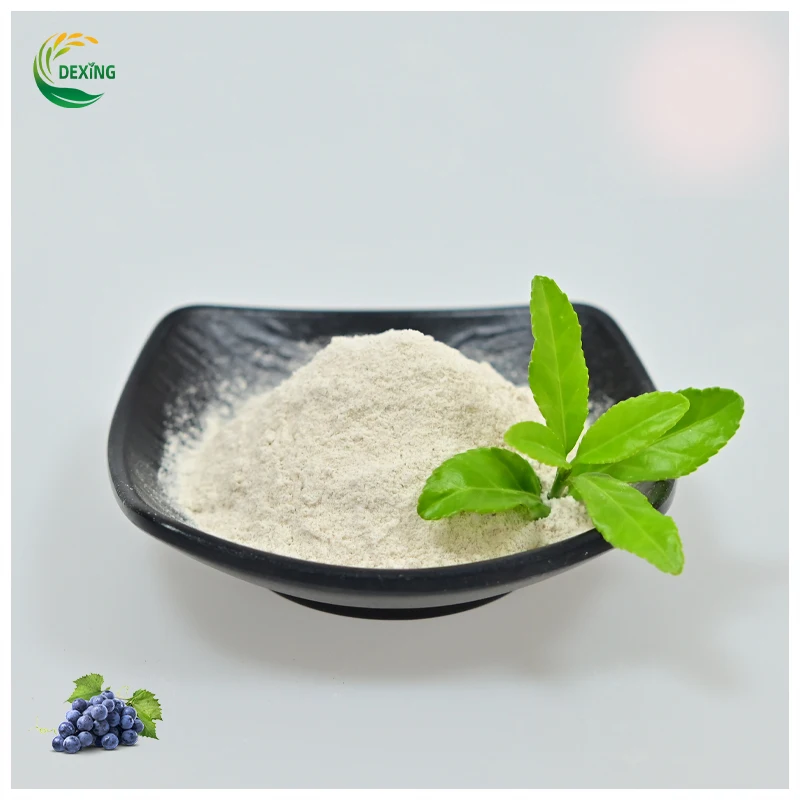
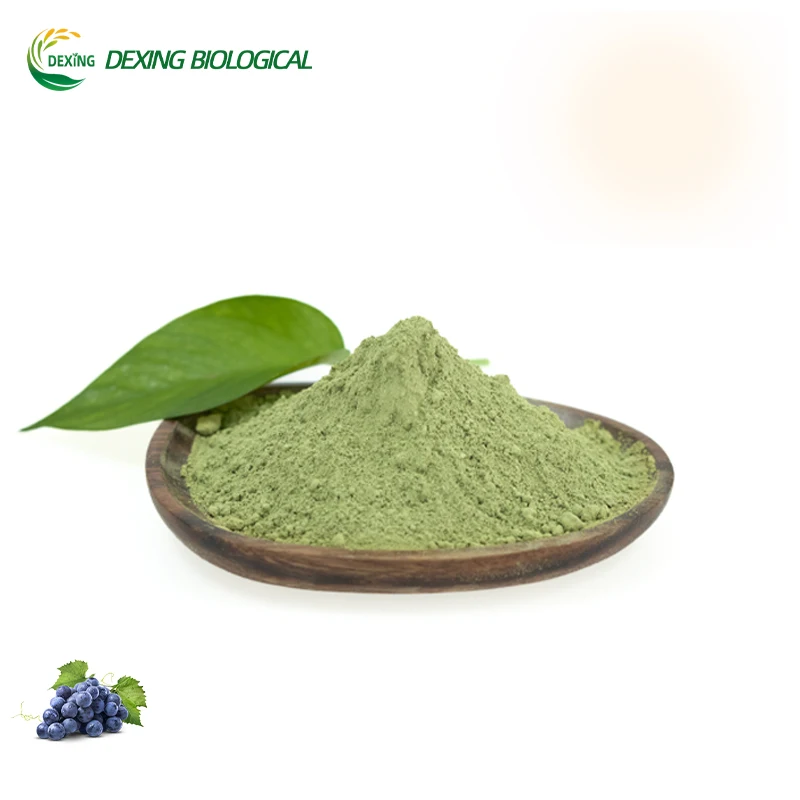
Biofertilizers basically consist of live microbes that boost soil fertility and help plants get better nutrition through natural biological means. These aren't your typical synthetic chemicals at all. Instead, they're made up of good bacteria, helpful fungi, and even some algae that work together in the soil to cycle nutrients around, make the dirt healthier overall, and ultimately grow crops in a more sustainable way. Farmers who switch to biofertilizers typically find that their fields respond well over time. What makes them stand out is that the main ingredients are carefully chosen microbes designed for specific jobs in agriculture. Best part? They don't leave behind any toxic stuff or harm the surrounding ecosystem like traditional fertilizers sometimes do.
In agriculture, there are basically three main types of these cutting edge biological solutions worth mentioning. First up we have nitrogen fixing bacteria like those Rhizobium guys who actually take nitrogen from the air and turn it into something plants can use. This means farmers don't need to rely so much on those expensive synthetic nitrogen fertilizers anymore. Then there are phosphate solubilizers mostly found among certain Pseudomonas and Bacillus microbes. These little workers break down the phosphorus stuck in soil minerals so plants can actually access it better. Lastly we get to PGPR or Plant Growth Promoting Rhizobacteria which covers a wider range of helpful microbes. They boost plant growth in several ways at once producing hormones making nutrients easier to reach and fighting off harmful soil diseases too.
When it comes to biofertilizers, Azotobacter stands out as one of the best options available. These bacteria live freely in the soil and fix atmospheric nitrogen, adding around 15 to 20 kilograms per hectare each year. Plus they produce substances that actually promote plant growth, according to research from Das in 2019. Then there's Pseudomonas which does an amazing job at making phosphorus available to plants and fighting off harmful pathogens. Farmers have noticed crops just seem healthier when these microbes are present. Bacillus species bring even more advantages to the table. They not only help move nutrients around in the soil but also build up resistance against diseases and make plants tougher during stressful periods like droughts. When farmers incorporate these beneficial microbes into their practices, they typically see reduced reliance on chemical fertilizers, better soil quality over time, and crop yields that can jump anywhere between 10% and 30%. Of course, exact results depend heavily on what kind of crop is being grown and local environmental factors.
Some microbes found in biofertilizers actually pull nitrogen from the air and turn it into something plants can use naturally. This cuts down on how much synthetic fertilizer farmers have to apply, which is good news for both their budgets and the environment. Take Azotobacter and those little rhizobia bacteria for instance. They hang out around plant roots either as partners or just nearby buddies, giving off ammonium that helps plants grow leaves and build proteins. Gardeners who switch to these natural helpers often see healthier crops without all the chemical runoff problems associated with traditional fertilizers.
Phosphate-solubilizing microorganisms (PSMs), such as Pseudomonas and Bacillus, secrete organic acids that dissolve insoluble mineral phosphates, transforming them into plant-accessible forms. This mechanism can increase phosphorus uptake by up to 30% under field conditions, particularly in alkaline soils where phosphorus fixation limits crop availability.
Beyond nutrient cycling, biofertilizers stimulate plant growth through the secretion of phytohormones like auxins, cytokinins, and gibberellins, which promote root development and cell division. Additionally, microbes with ACC deaminase activity lower ethylene levels in stressed plants, enhancing resilience to drought, salinity, and other environmental challenges.
Biofertilizers work best when they match up with their environment. For instance, sandy soils that don't hold much organic material often need specially mixed microbes compared to those heavy clay soils we see everywhere. Most biofertilizer strains really thrive in soils around pH 6 to 7.5, so gardeners should check their soil first. Temperature matters too these little organisms prefer it not too hot or cold, ideally between about 25 to 35 degrees Celsius. Moisture content plays a big role as well, along with how much sunlight hits the area. Storage is another factor nobody thinks about until it's too late. Keep them cool and dry before using, and apply them right away after opening the package. Otherwise all that careful selection goes down the drain.
More and more farmers around the world are turning to biofertilizers instead of relying on traditional chemical fertilizers. Why? Well, there are several factors driving this change. First off, people care more about protecting the environment these days. Plus, consumers want their fruits and vegetables to be organic rather than loaded with chemicals. And let's face it, those chemical fertilizers just keep getting pricier each year. Looking at the numbers tells another story. The market for biofertilizers was worth about $3.1 billion back in 2023 according to MarketsandMarkets, and it should hit roughly $5.2 billion by 2028. That means the industry is growing at around 10.9% per year. These biological solutions aren't just niche anymore they're becoming part of everyday farming practices across many different regions.
According to the Food and Agriculture Organization (FAO), global biofertilizer usage rose by 30% between 2018 and 2023. This growth reflects expanding adoption among farmers seeking sustainable nutrient management. The Asia Pacific region leads in uptake, driven by national sustainability initiatives and strong government support.
Biofertilizers are getting a major boost from government support and cash incentives around the world. Take India's National Mission on Sustainable Agriculture as an example—they're handing out subsidies for those biological inputs that farmers need. Meanwhile over in Europe, the EU's Farm to Fork Strategy has set its sights on cutting chemical fertilizer use down by 20 percent before 2030 hits. And it's not just happening there. Across Southeast Asia we see similar initiatives popping up everywhere, making it easier for small scale farmers to switch gears toward greener methods. These programs really do help break down some of the financial hurdles that keep traditional farmers stuck in old ways.
Field trials in India's wheat-producing zones showed a consistent 20% yield increase following Azotobacter inoculation. The bacterium enhanced nitrogen availability, promoted root development, and improved stress resilience. Results remained stable across multiple growing seasons and variable rainfall patterns, demonstrating the reliability of biofertilizers under real-world conditions.
Biofertilizers do more than just boost crop yields right away they actually make the soil healthier over time. Research shows that these natural additives can raise soil organic carbon by around 38%, which means better water holding ability and stronger nutrient retention for plants. The good bacteria in biofertilizers work their magic too, keeping soil pH balanced while boosting the variety of microbes living in the dirt. This creates a robust underground environment where crops can thrive naturally. Farmers who switch to these organic options often find they need fewer chemical fertilizers down the road, since the soil becomes more self-sufficient in maintaining fertility levels.
Recent breakthroughs in microbial tech have led to the development of specially modified strains that fix nitrogen better, break down phosphorus more effectively, and handle environmental stresses much better than traditional options. Modern biofertilizers aren't just single organisms anymore either. They often contain carefully crafted mixes like Azotobacter working alongside Pseudomonas bacteria, which together can tackle different soil types and work well with various crop species. Farmers who adopt these new approaches report seeing real improvements in how consistently their plants absorb nutrients, plus they get better results from the same amount of fertilizer applied. This makes sense economically too since wasted nutrients mean money down the drain.
More and more farmers are combining biofertilizers with smart farming tech these days. Things like internet-connected sensors buried in fields and satellites scanning from above let growers keep tabs on what's happening underground and out in the crops. When they know exactly what their soil needs, they can apply those little microbe helpers just right. The numbers back this up too agriculture operations that started using these connected systems saw around 15 to maybe even 20 percent better results when it comes to how plants actually take up nutrients. Less wasted fertilizer means bigger profits for most farms while still keeping the land healthy over time.
Biofertilizers are becoming increasingly important for creating agricultural systems that can handle climate challenges. When applied to fields, these natural products boost soil health by adding organic matter and improving how well the ground holds water. This makes plants more resistant during dry spells and when facing other harsh weather conditions. Another benefit is their impact on greenhouse gases. Unlike chemical alternatives, biofertilizers actually cut down on nitrous oxide emissions, which matters a lot for fighting climate change worldwide. According to reports from organizations like the Food and Agriculture Organization, expanding the use of biofertilizers might help feed around 800 million people who currently struggle with food insecurity by the year 2030. This potential is especially significant for communities living in areas where resources are scarce and environmental conditions make farming difficult.
Biofertilizers are agricultural products composed of live microorganisms, such as bacteria and fungi, which enhance soil fertility and stimulate plant growth naturally.
Biofertilizers can improve soil quality, reduce reliance on chemical fertilizers, promote sustainable agriculture, and enhance crop yields while minimizing environmental impacts.
Biofertilizers aid in nutrient cycling by fixing nitrogen in the soil, solubilizing phosphates, and promoting plant growth through hormone secretion and stress reduction.
Yes, though their effectiveness may vary based on factors like soil type, climate conditions, and the specific crop being grown. Customization helps achieve the best outcomes.
The global adoption of biofertilizers is rising due to increasing demand for sustainable farming, environmental awareness, and governmental policy support.
 Hot News
2025-04-02
2025-04-02
2026-02-05
2026-01-05
2025-12-02
2025-11-03

Shandong Dexing Biotechnology specializes in microbial fertilizers, organic agriculture solutions, and biotechnology products. With 35 years of experience, we offer advanced soil improvement, plant health, and yield optimization technologies for sustainable farming.
507, Building 1, Jinyu International, No. 2309 Bohai Road, Jincheng Community, Xincheng Street, Weifang High tech Zone, Shandong Province
Copyright © 2025 by Shandong Dexing Biotechnology Co., Ltd Privacy Policy
 EN
EN